







DNA Damage and Repair
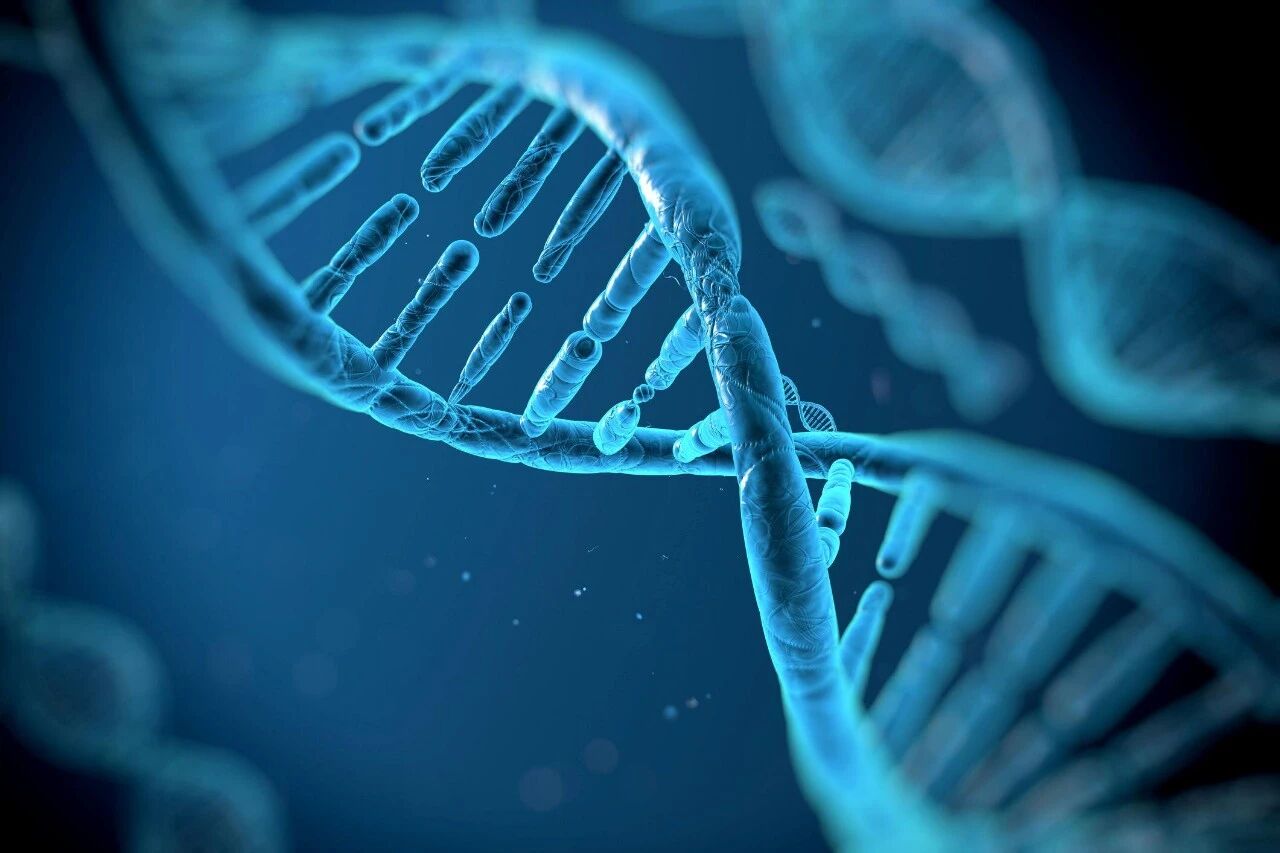
Author: Shenzhou Reviewer: Shiye Faithful DNA inheritance helps keep a species relatively stable. At the same time, DNA is constantly exposed to influences from inside and outside the body, so some change is inevitable. The balance between stability and change preserves a species while also providing the raw material for evolution and the diversity of life. DNA damage comes in many forms, including the loss or chemical alteration of bases, pyrimidine dimers, single- and double-strand breaks, and DNA cross-links. Damage to Base Structure Bases and sugar groups can be damaged in several ways. Nitrous acid can deaminate bases, while oxidizing agents can chemically modify DNA bases, including pyrimidines. Deamination may convert one base into another; for example, C can become U. H ...
Chang'e 5 Heads to the Moon: What Will She Do This Time?
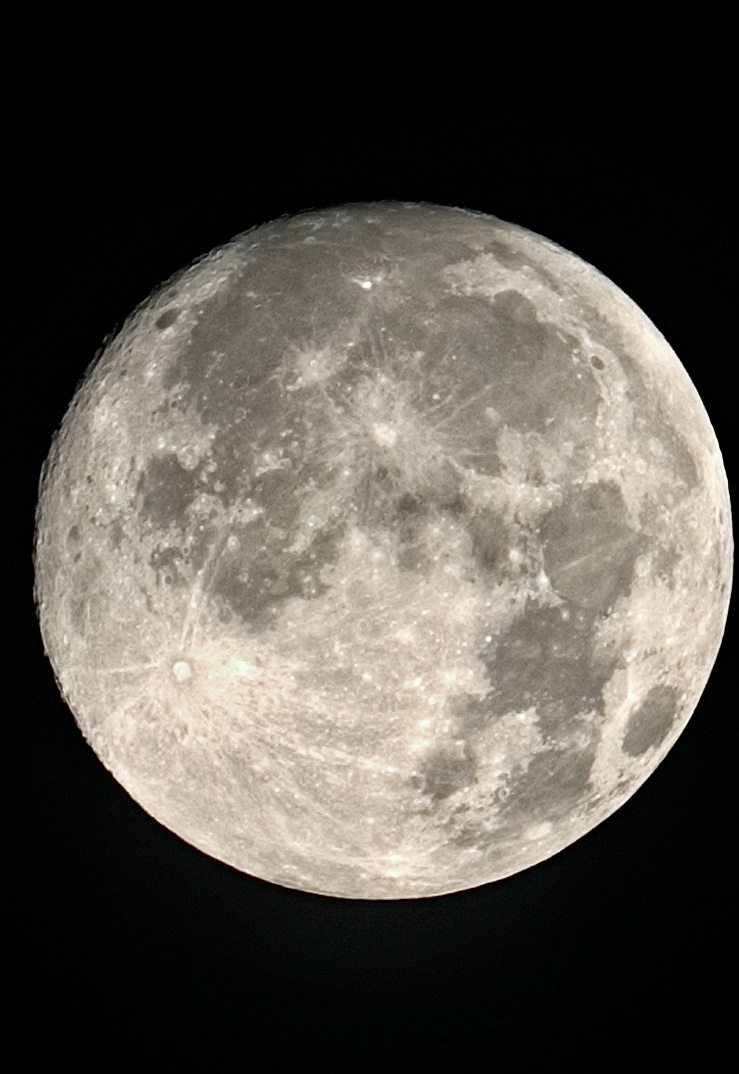
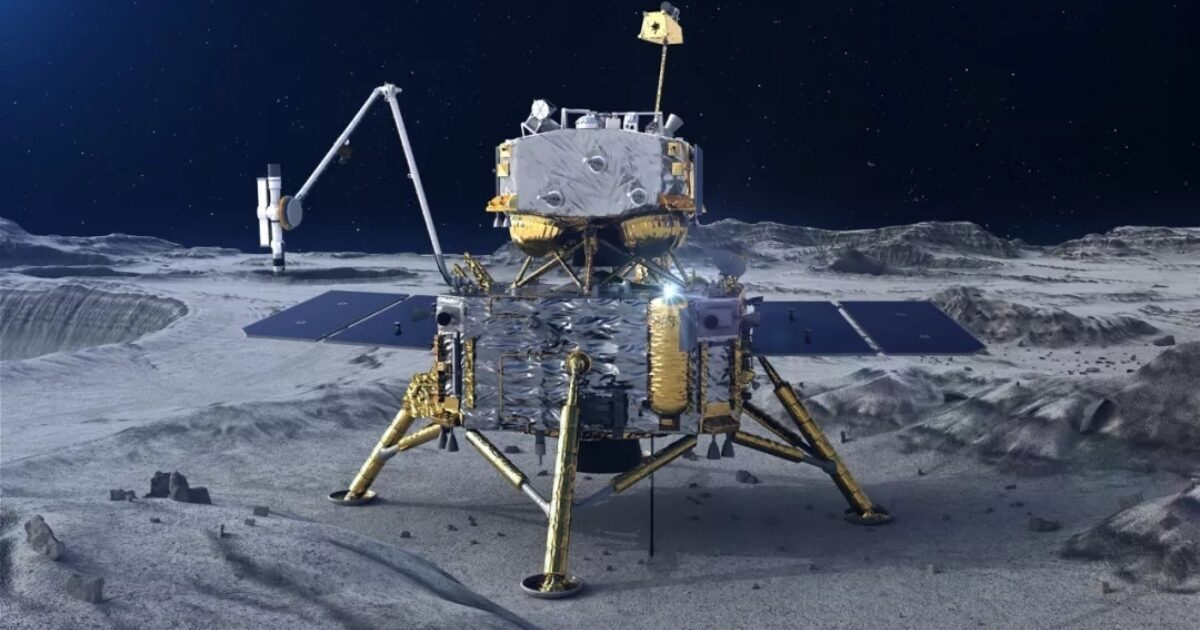
Author: Saito Shin Reviewed by: Yuandao At 4:30 a.m. Beijing time on November 24, 2020, a Long March 5 Y5 rocket carrying the Chang’e 5 probe lifted off successfully from the Wenchang Spacecraft Launch Site in Hainan. CCTV News and the Our Space media platform broadcast the entire launch live, a sign of how confident China’s space program was in the mission. So, what exactly had Chang’e 5 set out to do? Many readers may be wondering what made the Chang’e 5 mission so technically demanding. We can answer that question by looking at the mission before and after launch. Before Launch For the prelaunch phase, consider just one task: loading the propellant. Chang’e 5 was fueled after its four spacecraft had been assembled. Its propulsion systems contained more than 600 components o ...

God Created, Linnaeus Organized: The Man Who Brought Order to Biology
Author: Sirius King Proofreader: Millisecond Biology consultant and reviewer: Kuicao What does it take to count as a success? Some would say becoming a billionaire or the world’s richest person; others, becoming famous far and wide. And what does it take to become immortal? Some would say a place in the history books; others, a monument and a biography. Yet one man spent much of his life poor, ill, and little known, and did not rise in social rank until his later years. Today, his portrait appears on Swedish banknotes, his statues stand on university campuses, biologists revere him, and his country honors his memory. He was the Swedish naturalist known as the father of modern biological taxonomy, a pioneer of binomial nomenclature, and the “Prince of Flowers”: Carl von Linnaeus. A Swe ...
Try It at Home: The Biuret Test for Protein
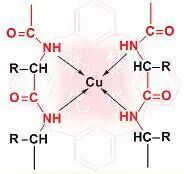
Author: Shenzhou Reviewer: Weiming The biuret test for protein works on a simple principle and is relatively easy to perform. This article explains the reaction and outlines a very safe procedure that anyone with the necessary materials can try at home. When urea is heated to 180°C, two urea molecules first condense, releasing one molecule of ammonia and forming biuret. The reaction equation is shown below: Biuret contains the -CO-NH- group. Under alkaline conditions, it reacts with Cu2+ ions to form a purplish-red chelate. Its structure is shown below: The basis for using this reaction to detect proteins should now be clear. Proteins are made up of many amino acids joined by peptide bonds, so dipeptides and larger polypeptides contain structures similar to those in biuret. Und ...
How to Change the World and Make Your Life Count
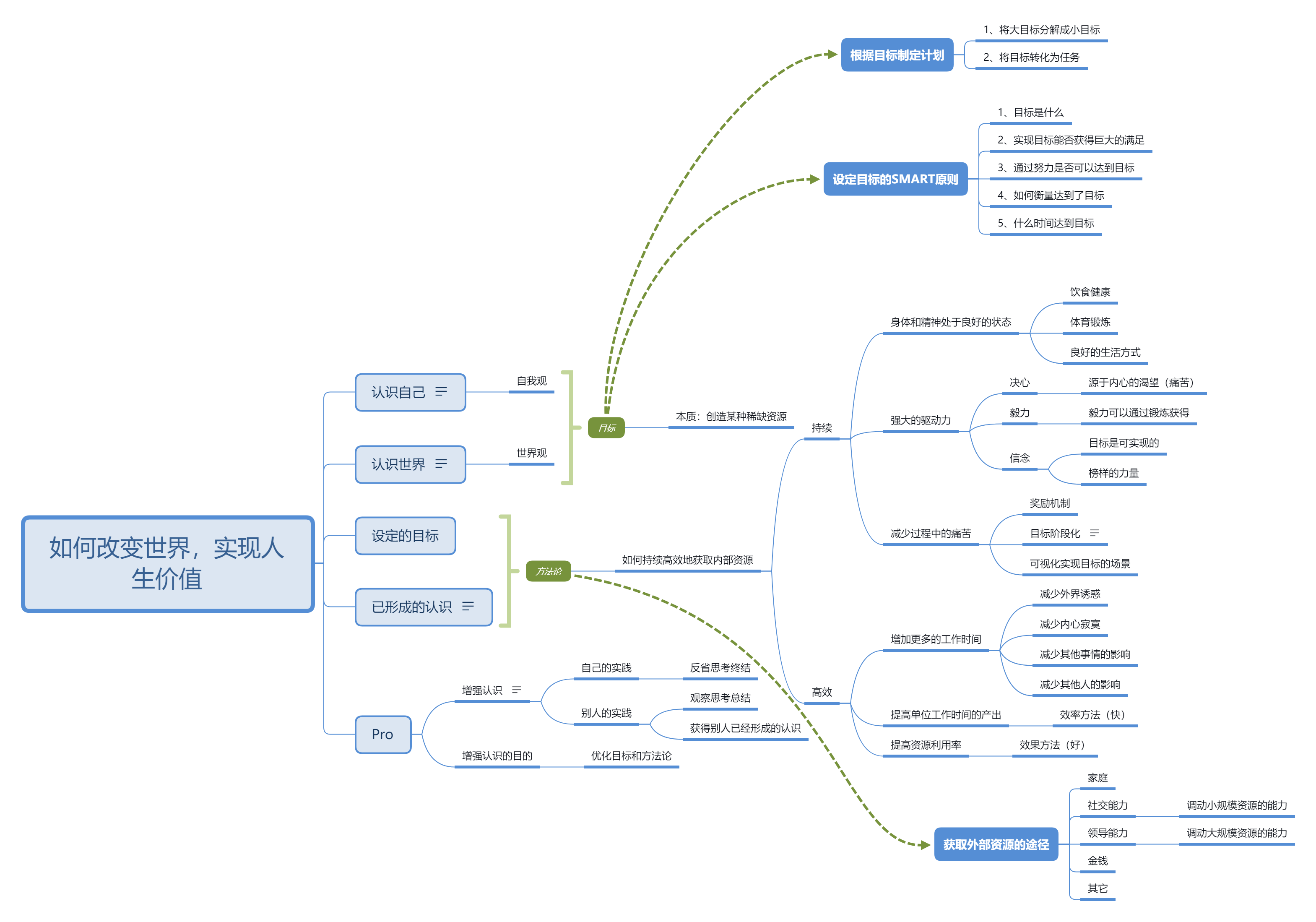
Author: Zi Bo (ZiBo) Reviewer: Weiming Hi, I’m Zi Bo (ZiBo), and I just graduated this year. I’m not quite sure why, but here I am writing an article for you. The last time I remember a Chinese teacher praising my work was in sixth grade. His comment: “If you didn’t copy this, it’s very well written!” So even if I fail to entertain you, I promise not to waste your time. I’m an introvert, and I spend a lot of time looking up at the sky. Classmates who run into me sometimes ask, “Pondering life again?” I just smile. (They do say hello, because I’ve never been the sort of person who fades into the background. I’m introverted, but I don’t enjoy being invisible.) I like to think. I understand the appeal of both “If I learned the Way in the morning, I could die content that evening” and “L ...

APC Science Union Explainer: Audio Compression
Author: Shiguang Reviewer: Baiyan Before we begin, here is a question: why compress a file? Unsure of the answer, you put the question aside and decide to download something. You open NetEase Cloud Music, find several songs you love in the daily recommendations, and excitedly decide to claim them for your own. The download menu offers three settings: Highest, Very High, and Standard. Naturally, you want to treat your ears well, so you choose Highest, only for the app to ask you to buy a membership. Outraged, you… choose Very High instead. Now the original question comes back to you. Is the file at Very High simply a compressed version of the one at Highest? After all, it is smaller. The answer is yes. It may not sound quite as good as the Highest version, but it takes up less disk sp ...
%E3%80%91%E8%BD%BD%E6%BB%A1%E9%BB%84%E9%87%91%E6%A2%A6%E7%9A%84%E5%9C%9F%E5%9C%B0%EF%BC%9A%E6%B3%95%E5%9B%BD%E5%AF%86%E8%A5%BF%E8%A5%BF%E6%AF%94%E6%B3%A1%E6%B2%AB/cover-b53e25a1d2.jpg)
Financial Crises, Part II: France's Mississippi Bubble and the Dream of Gold
Author: Self-Control Reviewer: Guanfu · Juntian In the previous installment, “Financial Crises: The Netherlands—The Temptation of Tulips,” we told the story of the Dutch tulip bubble during capitalism’s infancy. From its birth and expansion to its final collapse, the episode exposed the madness and greed buried in human nature. The crisis brought down the Netherlands, once the “carrier of the seas,” in a single blow. You might think it would have made people more wary of financial alchemy. Yet, as Hegel observed, the only lesson people learn from history is that they learn nothing from history. John Law was born into a wealthy family in Edinburgh, Scotland, in 1671. His father was a banker, and Law, the eldest son, began a three-year apprenticeship in his father’s accounting office a ...

From AC to DC: How Diodes Make Rectification Work
Author: N Reviewer: Baiyan Alternating current and direct current are the two basic forms of electric current we use every day. Each has advantages the other cannot replace, so many applications require us to convert AC to DC or DC to AC. AC-to-DC conversion depends on a rectifier circuit, whose key component is the diode. Starting from that conversion process, this article examines the diode’s role in rectification. Along the way, it explores the principles of rectifier circuits, the relationship between ideal models and real components, and the use of Multisim as a simulation tool. 1. Introduction AC and DC have different strengths and suit different applications. Most lighting and electric-motor systems, for example, use AC, while computers and mobile phones generally run on DC. ...

The ‘Gene-Edited Babies’ Controversy: Six Questions
Author: @cheeze molecule (translator) Credit: Mark Schiefelbein/AP/Shutterstock Practical questions that He Jiankui and other genome-editing researchers cannot avoid. In late November, reports that twin babies had been born after their genes were edited to make them resistant to HIV caused an uproar. The announcement also ignited fierce debate over CRISPR experiments, the laws governing them, and the ethical questions they raise.Responses ranged from opposition to neutrality and support. At the Second International Summit on Human Genome Editing, held a few days later, the organizing committee described the experiment as “unexpected and deeply disturbing.” Life-science researchers had mixed reactions, but most believed the work had been undertaken prematurely and questioned both its ...
A Few Simple Thoughts Inspired by a Rolling Spring
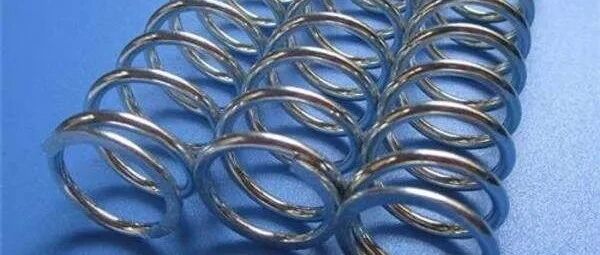
Author: phy Dongxi (A text-heavy piece of popular science—consider yourself warned.) Most of us played with springs as children—those in retractable pens, for example, or in a Rubik’s Cube (yes, I really do bring up the Rubik’s Cube every three sentences). Helical springs like these turn up everywhere: Roll one of these springs across a tabletop, and you seem to see a train of waves traveling from one end to the other. A rotating drill bit or the red, white, and blue pole outside a barbershop creates the same illusion: the spiral seems to keep “emerging” from one end and disappearing at the other. It certainly looks like a wave on the move. We can calculate this wave’s speed quite easily. Suppose the helix has radius r, rotational frequency f, and pitch h. What we see as a “wave ...
Recent Post