








A Brief History of Humankind: The Sapiens Flood (Part II)
Author: Zikongli Reviewer: Guanfu Juntian P.S. First, an apology. In the article from two issues ago, “The Sapiens Flood, Part I,” I missed an error. Homo sapiens left Africa about 70,000 years ago, but I wrote that it happened when the species first appeared, 150,000 years ago. That date is itself uncertain: estimates of 160,000 or 200,000 years also appear, partly because some classifications treat Neanderthals as early Homo sapiens. Here, we will follow the view taken in the book. Fortunately, a friend on Qzone caught the mistake. My apologies. Two issues ago, we saw how Homo sapiens entered the Australian “level” and, in only a few thousand years, effortlessly swept away most of the continent’s medium-sized and large animals. Only the boxing kangaroos barely managed to hang on ԅ( ...
Storms Beyond the Atmosphere: A Conversation About Space Weather
Author: Abaiter Reviewed by: Lai Yuan When we hear the word “weather,” we usually think first of wind, rain, thunder, and similar phenomena. They are an important part of our environment and the weather we experience most directly, but all of them occur within the thin troposphere, no more than a dozen or so kilometers above the ground. How far is a dozen kilometers? Walking from one end of a moderately large city to the other can take you farther than that. The sky, as we know, is vast and boundless. The weather we encounter in daily life is therefore only part of the picture. Above the troposphere, and especially beyond the atmosphere, another kind of turbulence unfolds: space weather. Air molecules are the medium of weather in the troposphere, with water vapor playing an especiall ...
Deep-Sky Object Catalogs: A Brief Guide
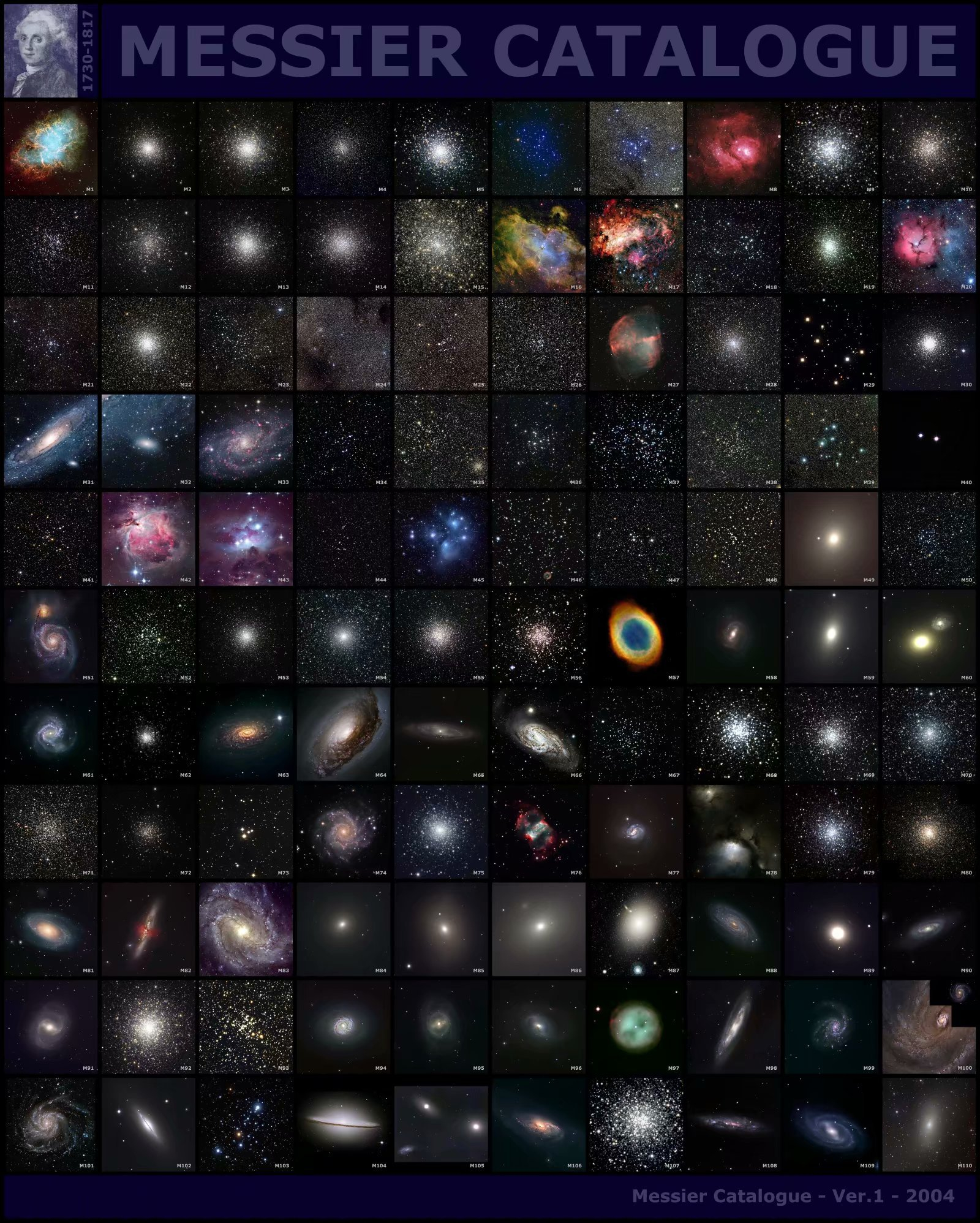
Author: 丛雨 The Messier Catalog Of all the deep-sky catalogs, the Messier Catalog is probably the best known. Compiled under the direction of French astronomer Charles Messier, it contains 110 deep-sky objects: 12 nebulae (M1, the Crab Nebula, is its only supernova remnant), 57 star clusters (28 globular and 29 open clusters), 40 galaxies, and one double star, M40, included by mistake. Many favorites among amateur astronomers are Messier objects, including the Andromeda Galaxy (M31), the Orion Nebula (M42), and the Pleiades (M45). Messier himself was a dedicated comet hunter. While searching for comets, he kept encountering objects that looked like them but were not, so he compiled a catalog first published in 1771. That original list contained 45 objects. By 1781, observations by Mess ...

At the End of a Forecast: Revisiting Biology Toward the 21st Century and Its Predictions for 1991–2020
Author: Xiao Reviewer: Dongda Night of February 23, 2020 Opening remarks This book was jointly edited by the cell biologist Wang Yahui and Chinese Academy of Sciences researcher Wu Zhichun. In the early 1990s, they used questionnaires and expert panels to gather the views of more than 400 specialists in biology-related fields on how the discipline would develop over the next thirty years. The experts considered the broad direction of biology, its likely peaks of development, its major disciplinary questions, and its relationship with other fields. Revisiting the book in 2020 is particularly meaningful. It also explains why biology matters: scientific progress has raised material civilization to great heights, yet cast a deep shadow over spiritual life, even causing spiritual deprivati ...

Fossils in the Milky Way
Author: Kon Reviewer: Nancy Modern cosmology holds that galaxies undergo many mergers as they evolve from their formation to the present day. Their dynamics are too complex for a complete analytical treatment, so researchers generally turn to direct computer simulations of vast numbers of point particles. Astronomy, of course, is ultimately an observational science. Researchers measure the properties of galaxies at different distances—the farther away a galaxy is, the further back in cosmic time we see it, when both the universe and the galaxy were younger—and compare those observations with numerical simulations to determine how well a theoretical model describes reality. A numerical simulation of the universe's large-scale structure produced by the Max Planck Institute in Germany. T ...

A Brief History of Humankind: The Sapiens Flood (Part I)
Author: Zikongli Today, meet the world’s deadliest animal—No. 1: Homo sapiens. Around 150,000 years ago—or 200,000 years ago, according to some accounts—Homo sapiens began the Cognitive Revolution. They then expanded rapidly from the African grasslands across Eurasia, wiping out most of their fellow species in the genus Homo along the way. Some of those populations’ DNA did manage to hitch a ride on the fast-moving Homo sapiens express. People across Eurasia today generally carry a small amount of Neanderthal DNA. For nearly the next hundred thousand years, our Homo sapiens ancestors roamed Eurasia, grinding through the wilderness, spending skill points, and collecting gear. Along the way, they casually eliminated more of their fellow human species, and life was fairly easy. Before ...

The Wok's Remarkable History: From Its Origins to the Tang and Song Dynasties
Author: Lai Yuan The Wok’s Remarkable History (Part I) Of all the tools in the kitchen, the wok is king: if it is not frying, it is braising. Three days to master an electric cooker, three years for the ladle, ten years to hone a cleaver, and a lifetime at the iron wok. Food goes in, wine is poured, and the whole village waits to be served. The fire starts, the spatula rises, and one wok can feed two tables. The dishes arrive, chopsticks are laid out, and friends and family tuck in. Today, almost every Chinese household has a pitch-black wok. As its Chinese name suggests, its main purpose is stir-frying. Stir-frying is arguably the dominant technique in Chinese cooking today. From ordinary roadside restaurants to five-star hotels, most dishes are prepared either by stir-frying or by s ...
Novel Coronavirus (2019-nCoV)
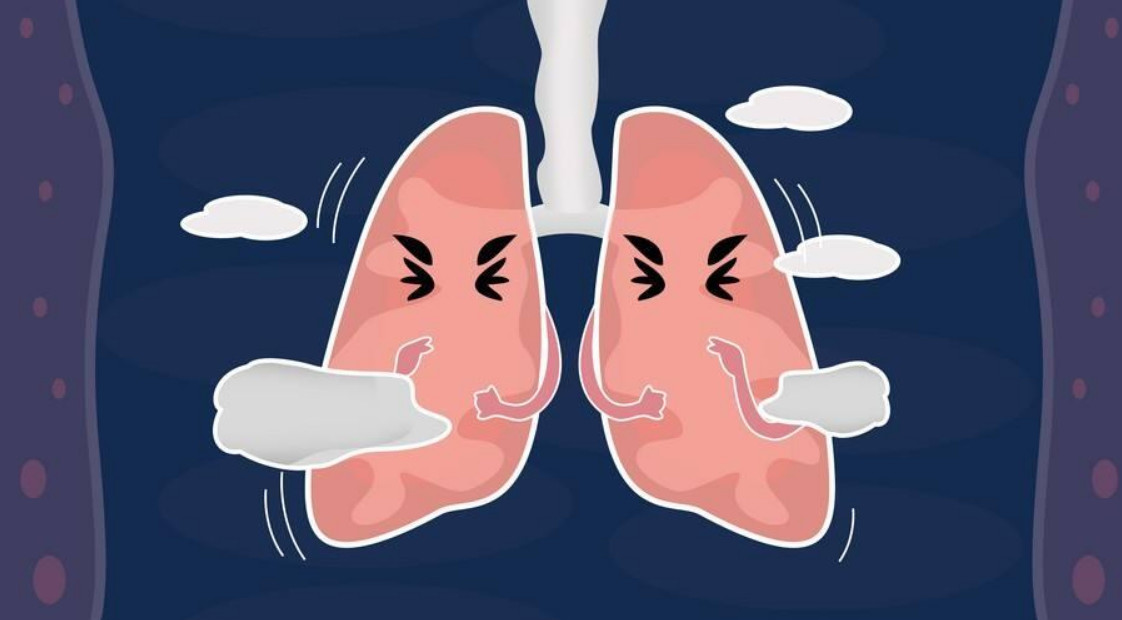
Author: Shenzhou Reviewers: DClean and Weiming The novel coronavirus outbreak (hereafter 2019-nCoV; online claims that the virus had been named “SARI” were false) has drawn widespread attention across China. As members of the public, whether or not we live in an affected area or have spent time in one, we must remain alert, take proper precautions, and not assume that luck will protect us. We should wear a mask whenever we go out, avoid crowded places wherever possible, and refrain from indoor activities in enclosed or poorly ventilated spaces. Transmission and protection Some reports suggest that 2019-nCoV originated in bats or other wild animals, but no official source has confirmed this. Because 2019-nCoV is a new virus, anyone who has not previously been infected with the same ...

Do We Get Overtime Pay in a Leap Year?
Author: Saito Shin Reviewer: Baiyan If my math is right, this article will be put on public display for your judgment on Lunar New Year’s Day (or sometime afterward). Happy New Year, everyone! Posting on New Year’s Day is no easy task. I’m not asking for triple pay (or any pay at all); all I ask is that you give it a careful read. If you could give it the usual like-comment-favorite combo (scratch that) and share it, even better! Wishing everyone a happy, healthy New Year! You have probably heard that 2020 is a “double leap year.” The Year of the Rat has 384 days, which means an extra month of work thanks to the leap fourth lunar month. The math makes sense, but why should we have to work overtime? Today, let us take a look at intercalation in calendars. First, what exactly is a “ ...
Tumors Explained
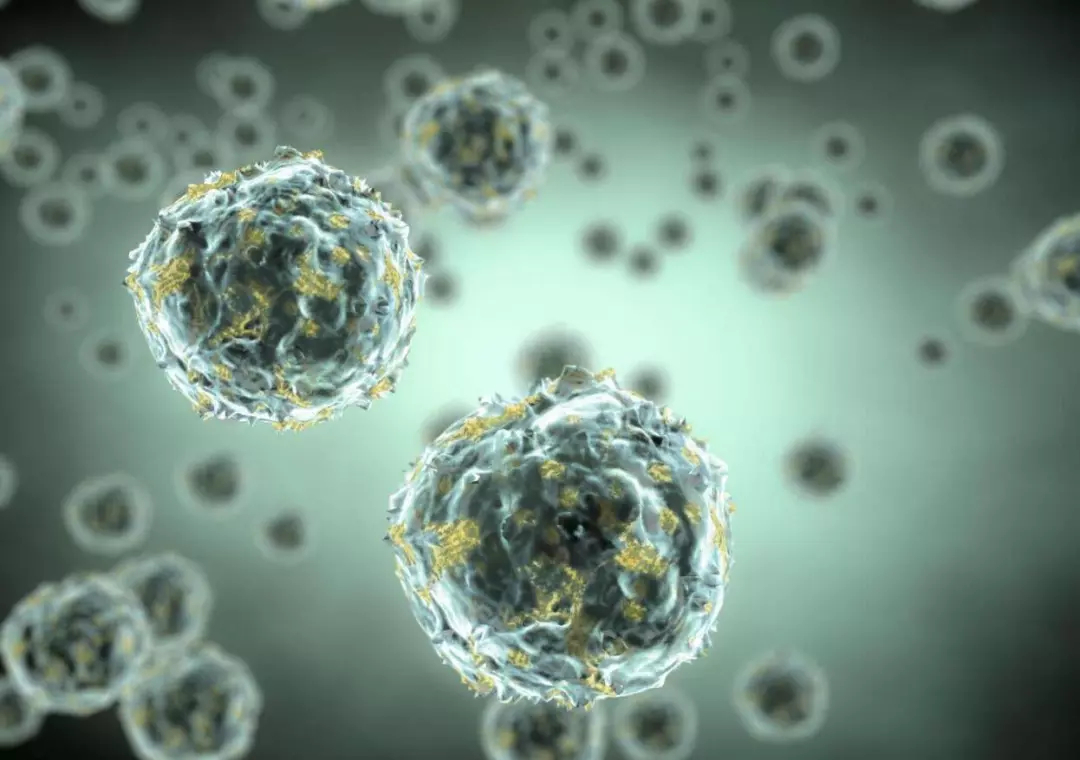
Author: 绿水青山 Reviewers: 食野; 未名 Most of us have encountered the word “tumor” in everyday life without necessarily knowing its technical definition. The word often inspires immediate fear. Malignant tumors are generally difficult to cure and can have an enormous effect on a patient’s daily life. Here, we will look at some basic facts about tumors. In biology, a tumor is a neoplasm formed by the abnormal proliferation of the body’s cells—in other words, a mass produced by the abnormal growth of body tissue. It commonly appears as a localized mass of abnormal tissue. Tumors form when various tumor-causing factors severely disrupt the regulation of cell growth. This definition tells us that a tumor should not exist when the body is functioning normally. What, then, characterizes neoplas ...
Recent Post