







The Feathered Sprites on My Campus
Author: 蜗牛 Reviewer: 一毫秒的永恒 A winter morning is cold and still. The sun has not yet cast its highlights across the world, so everything retains its natural color. I love this hour: no noise, no distractions, no rush before first period. I can leave home at an easy pace, clock in, and bring my binoculars along to watch the birds on campus. The day is off to a good start. Soon after leaving home, amid the magpie calls in the little square by the water tower, I pick out a faint zi-zi from the sparrows’ chatter. Probably a tit. Through my binoculars, it looks like a great tit, though it might be a Japanese tit. I confuse the two every time. Even familiar birds make me look closely. Beyond the small central gate, the plane-tree avenue between the sports field and the shops is a veritabl ...
From Simple to Complex: Algebra, Part 1
Algebra is the branch of mathematics concerned with numbers, quantities, relationships, structures, and general methods for solving algebraic equations and systems. Elementary algebra, usually taught in secondary school, introduces the basic ideas: how addition and multiplication behave, what variables are, and how to construct polynomials and find their roots. The subject reaches far beyond numbers to encompass all kinds of abstract structures. Author: delta Algebra is one of the central branches of modern mathematics. It divides into many subjects of its own, from elementary algebra to higher algebra, which branches still further. If mathematics is Yggdrasil, then algebra is Asgard. Geometry is Vanaheim. Within this Asgard, abstract algebra plainly wields the same authority ...
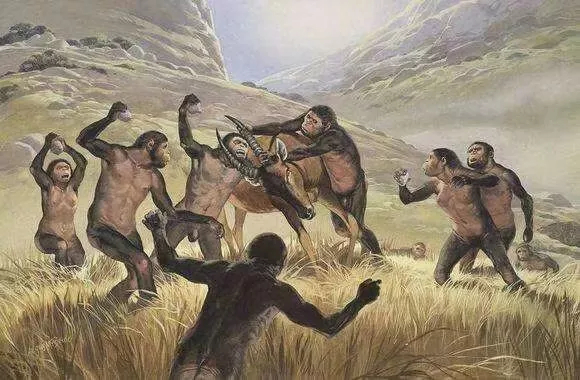
A Brief History of Humankind: The Cognitive Revolution
Author: 自控力 Reviewer: Nancy The familiar “march of human evolution” is misleading. Human evolution was not the straight, single-track road shown in that image, but a flourishing tree with many branches. More than fifteen known species once belonged to the genus Homo. Neanderthals, Homo erectus, Homo floresiensis, and others shared the Earth with our ancestors, Homo sapiens, for long stretches of time. Where did this deeply misleading linear image come from? It first appeared in the popular-science book Early Man, published in 1965. The book originally included an elegant, elongated foldout depicting hominins at different stages. Because the illustration was so long, later layouts compressed and folded it to save space. The figures consequently appeared to be walking forward in a lin ...
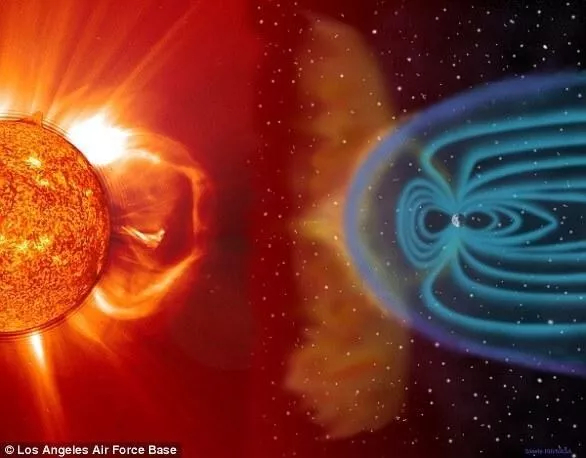
What Makes Plasma Different from Solids, Liquids, and Gases?
Author: Abaiter Reviewed by: A Millisecond of Eternity The three states of matter that usually come to mind are solid, liquid, and gas. In a solid, particles vibrate randomly but remain confined near fixed positions, giving the material a fixed volume and shape. As their random thermal motion gains kinetic energy, the particles eventually break free of those positions and begin to flow. They no longer stay in one place, yet attraction from neighboring particles still keeps them together. The result is the familiar liquid: a material with a relatively fixed volume but no fixed shape. Raise the temperature again, and thermal motion becomes strong enough for the particles to overcome nearly all their mutual attraction and spread freely. The material is now a gas, with neither fixed volume ...

Understanding Plague
The immune system keeps pathogens from invading the body. Having previously examined how our defenses work, we will now look at how pathogens attack. Today’s subject is one of history’s most notorious diseases: plague. The immense harm it has caused humanity demands our attention. Plague is also known as the “Black Death” because many people who died from the disease developed dark purple or black discoloration. Author: Shenzhou Reviewers: Weiming and Thinker Introduction Where there is attack, there must be defense. The body’s immune system exists to block invading pathogens. Here, we take the opposite perspective and examine how those pathogens mount an attack. We begin with the agent behind one of history’s best-known diseases: plague. The devastation it has caused is reason e ...
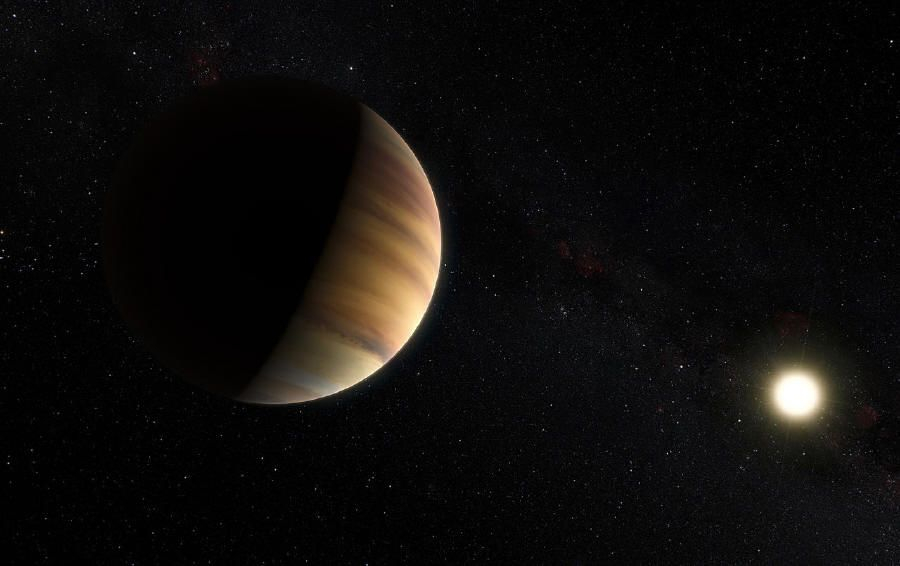
The Solar System: Our Home and Our Origin
Author: Kon Reviewed by: Xiao The Solar System we inhabit contains planets, moons, comets, and other celestial bodies of every size. The Sun itself is a thoroughly ordinary member of the Milky Way’s “family of stars.” That raises two questions: Is our existence unique? In more specific astronomical terms, are planetary systems like the Solar System common throughout the universe? How did the Solar System we depend on come into being? Before humanity could search for exoplanets on a large scale, neither question had a satisfactory answer. Without a substantial set of comparison samples, the Solar System itself was our only model for understanding planetary systems. The two questions are also linked to some extent: once we establish how planetary systems form, that mechanism can hel ...
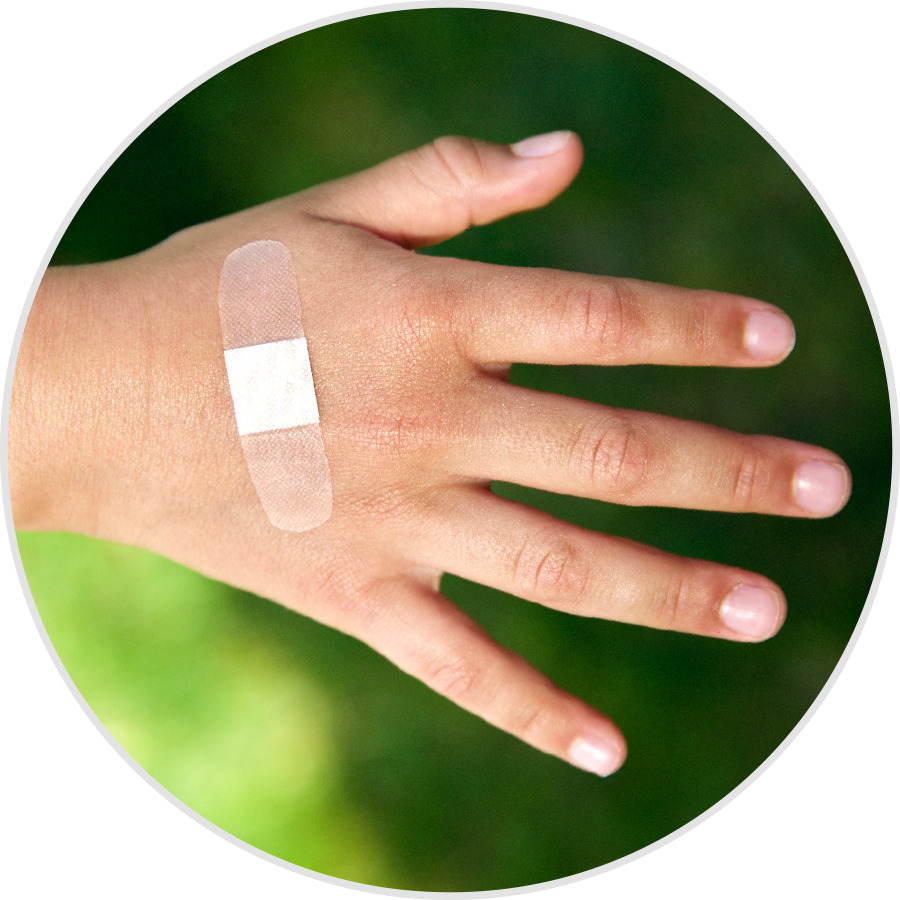
How Does the Body Repair an Injury?
Author: Lüshui Qingshan Reviewers: Shiye; Weiming Throughout our lives, the body is constantly exposed to environmental stressors. It first tries to adapt, but an excessively strong stimulus can cause injury. This article looks at how the body repairs that damage. An injury is the destruction or loss of some of the body’s cells and tissues. Repair is the process of replacing and restoring what has been lost. It generally takes one of two forms: regeneration or fibrous repair. During regeneration, cells of the same type divide at the injured site to restore the tissue’s original function. This is usually the more complete form of repair and may restore function fully. In fibrous repair, fibrous connective tissue replaces the damaged tissue, leaving a scar and only partially restoring ...
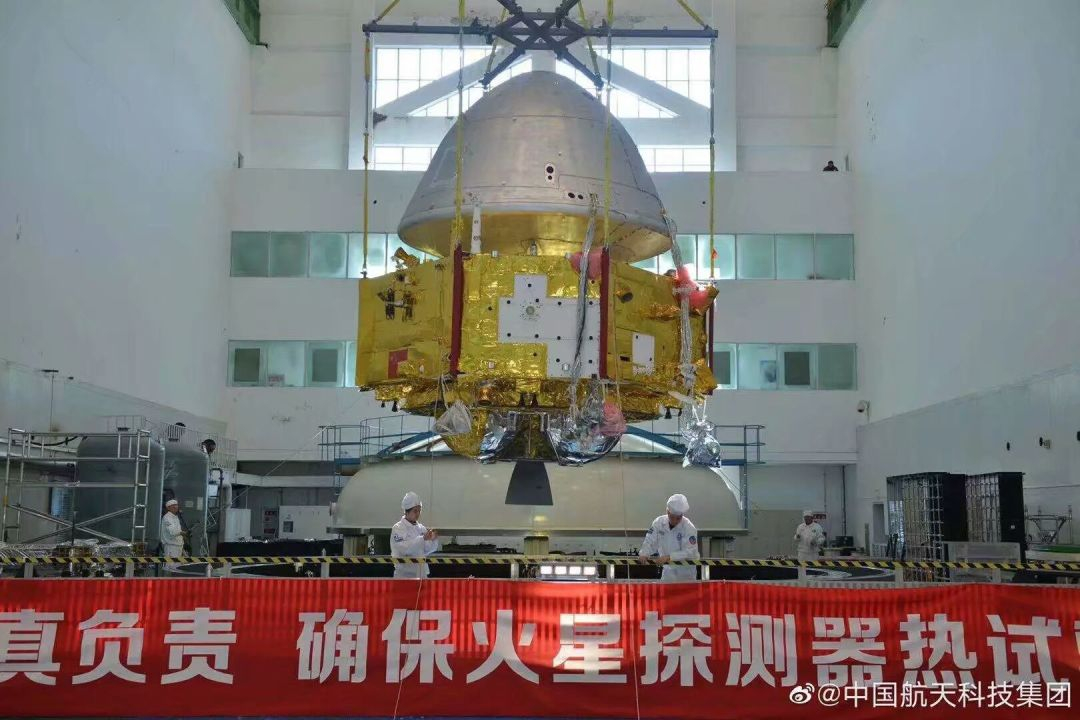
Mars One: Ready for Launch!
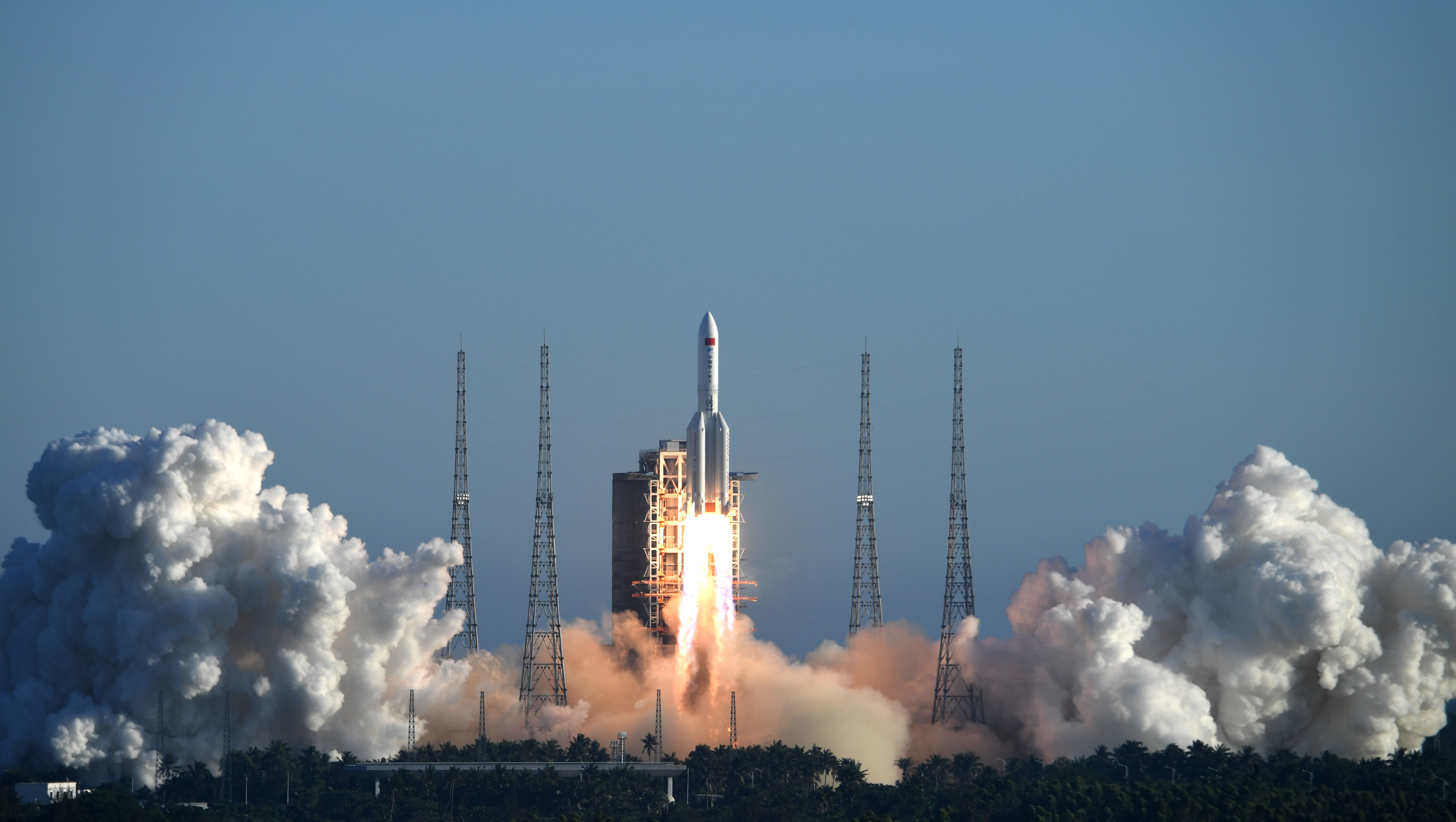
Author: Baishu Reviewers: Woniu; A Millisecond of Eternity Note: “Mars One” was later officially renamed “Tianwen-1.” It successfully completed the three major phases of Mars exploration: orbiting, landing, and roving. On October 11, 019, the China Aerospace Science and Technology Corporation posted photographs of China’s second Mars probe on its official Weibo account. The images gave the public its first look at the finished spacecraft, which was scheduled for launch the following year. “Mars One” | Credit: China National Space Administration According to Ye Peijian, chief scientist for space science and deep-space exploration at the China Academy of Space Technology, a subsidiary of the China Aerospace Science and Technology Corporation, preparations for China’s Mars mission were ...
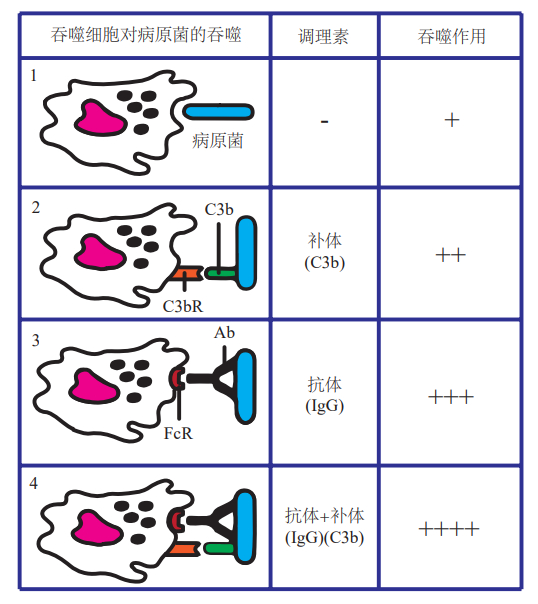
Five-Minute Immunology: Phagocytes and Innate Immunity
Author: Lüshui Qingshan Reviewer: Weiming Previously, we looked at several mechanisms of adaptive immunity. This time, we turn to innate immunity. Innate immunity is provided by the body’s physical barriers, immune cells such as phagocytes, and antimicrobial substances in body fluids. Here, we will examine the mechanisms by which phagocytes engulf and kill pathogens. The process begins with chemotaxis: a phagocyte moves in a particular direction, from an area with a low concentration of chemoattractants toward one with a higher concentration. These chemical signals include certain components of the complement system and substances secreted by other immune cells. Phagocytosis Opsonization Once a phagocyte reaches a pathogen, it begins to engulf it. A pathogen coated with antibod ...
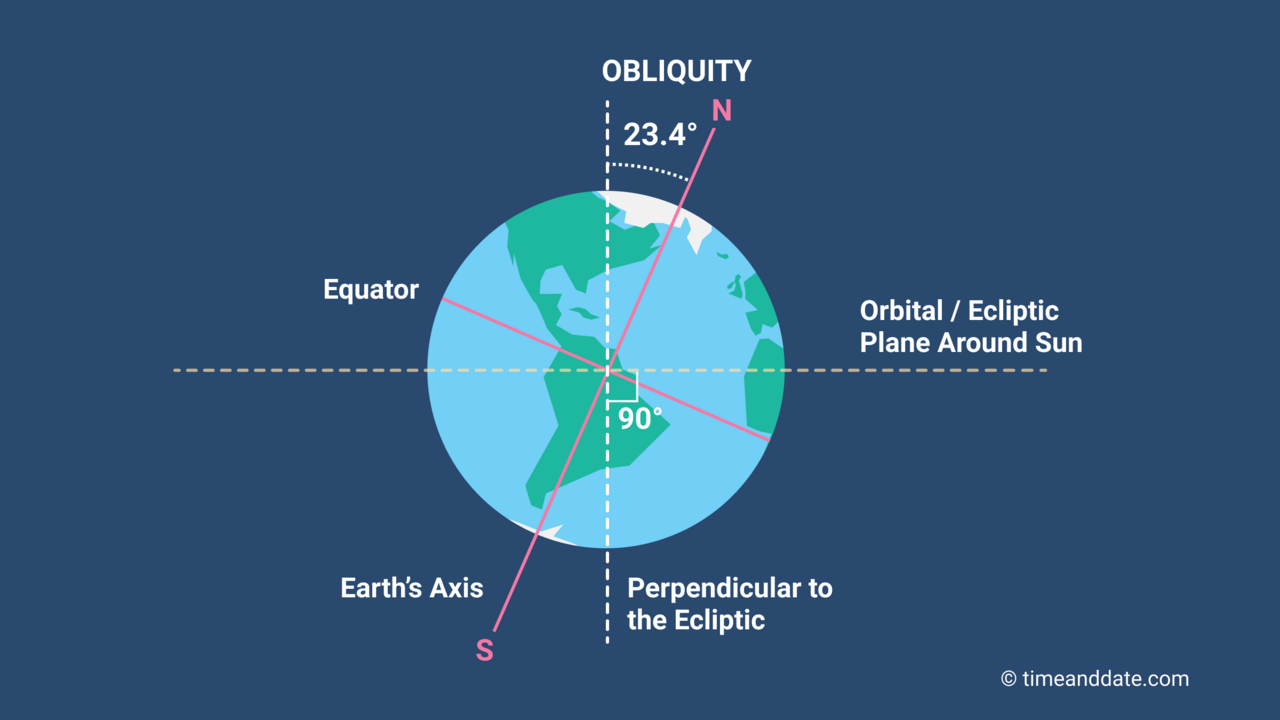
Years, Months, and Days: How Astronomy Measures Time
Author: 丛雨 Reviewed by: 毫秒 Ask how long a year, month, or day lasts, and the familiar figures of 365 days, 30 days, and 24 hours probably come to mind. In astronomy, however, each of these units comes in several forms with different lengths. Here is a brief introduction to a few of them. Sidereal and Solar Days The Sun, Moon, and stars appear to rise in the east and set in the west because Earth rotates. One rotation takes 23 h 56 m 4 s and is called a sidereal day. This is plainly different from the 24-hour day of everyday life, known as a mean solar day. Why? Earth rotates on its axis while also orbiting the Sun. Imagine that Earth stopped rotating. During the time it took to complete one orbit, people on Earth would still experience one cycle of day and night, although the Sun wo ...
Recent Post