
Understanding Plague
The immune system keeps pathogens from invading the body. Having previously examined how our defenses work, we will now look at how pathogens attack. Today’s subject is one of history’s most notorious diseases: plague. The immense harm it has caused humanity demands our attention. Plague is also known as the “Black Death” because many people who died from the disease developed dark purple or black discoloration.
Author: Shenzhou
Reviewers: Weiming and Thinker
Introduction
Where there is attack, there must be defense. The body’s immune system exists to block invading pathogens. Here, we take the opposite perspective and examine how those pathogens mount an attack.
We begin with the agent behind one of history’s best-known diseases: plague. The devastation it has caused is reason enough to take it seriously. Plague is also called the “Black Death,” a name associated with the dark purple or black discoloration seen in many of its victims.
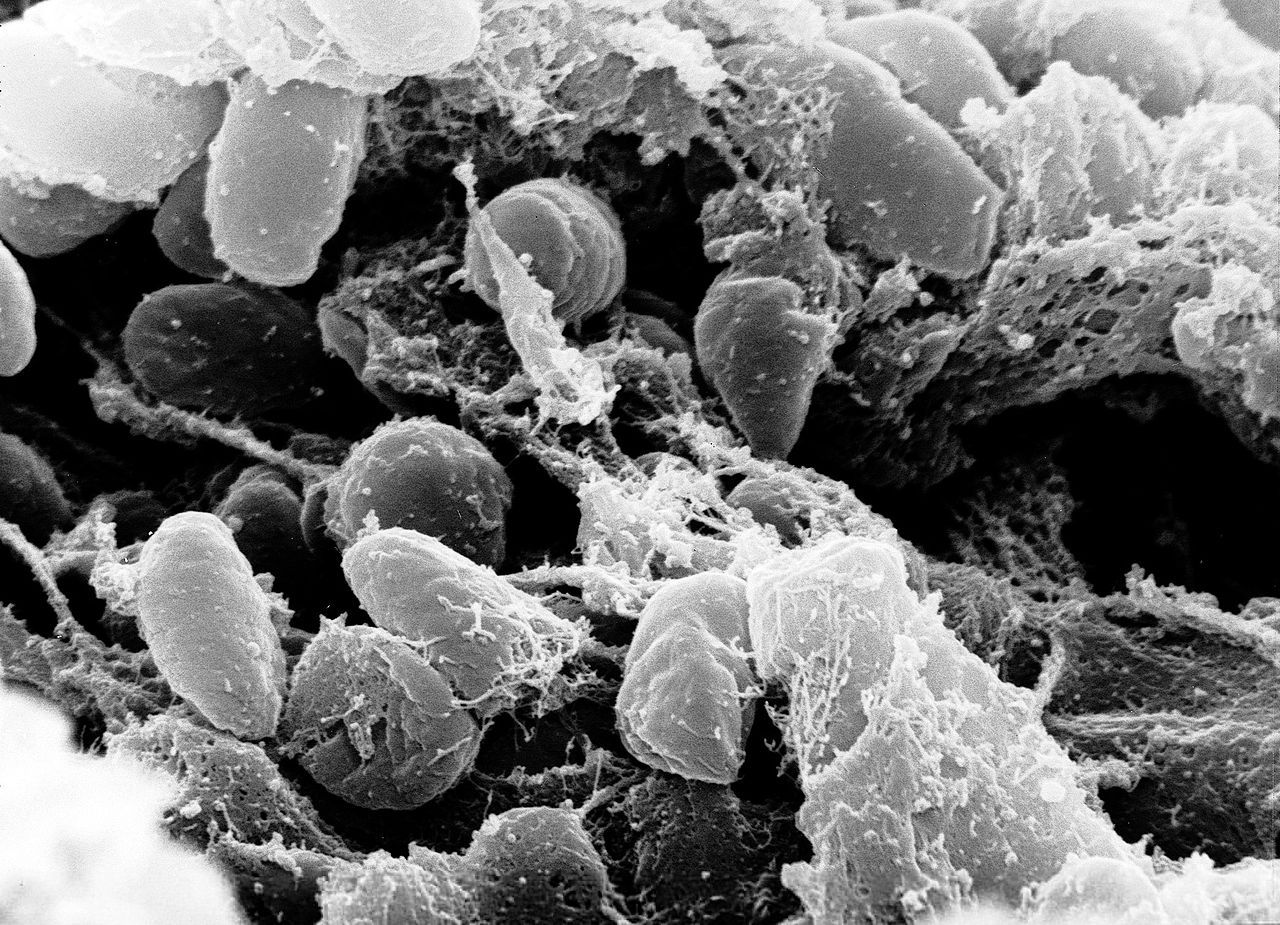
The bacterium’s principal reservoirs are rodents, including marmots, the animals often loosely called “groundhogs” in everyday Chinese.

In China, marmots are found mainly on the Qinghai–Tibet Plateau and the grasslands of Inner Mongolia, making these areas important natural plague foci. For a time, marmots became popular online, and their awkwardly cute appearance made many people eager to approach them. Most, however, did not recognize the risk of infectious disease.
Some people assume that they are safe as long as a marmot does not bite them. That is not true. Plague is extremely dangerous and highly contagious. Its main route of transmission is not a rodent attack, but the movement of fleas from an infected rodent to a new host after feeding. Skinning and butchering rodents can also bring a person into direct contact with Yersinia pestis and cause infection. Humans generally have little resistance to plague, and the great majority of people infected with the pathogen develop the disease.
Symptoms differ according to the part of the body the bacterium infects. The main primary forms are bubonic, pneumonic, and septicemic plague. Less common forms include ocular, cutaneous, and meningeal plague.
After a person is bitten by an infected flea, the bacteria enter through the skin and travel through lymphatic vessels to nearby lymph nodes. They multiply there, causing inflammation and swelling: primary bubonic plague. Medical treatment should be sought immediately. If the infection is allowed to progress, the bacteria can enter the bloodstream and cause sepsis. Severe disease may produce extensive mucosal bleeding and tissue necrosis.
Once the pathogen enters the bloodstream and causes sepsis, the patient may develop chills, high fever, and altered consciousness. Without prompt care, a person with these symptoms can die from hemorrhage and tissue necrosis within two or three days. Intravascular clotting and gangrene of the extremities can leave the body dark purple or black, giving rise to the name “Black Death.”
Plague spreads from person to person mainly through respiratory droplets. Inhaling enough bacteria can cause disease in the lungs, most often primary pneumonic plague. Within one or two days of onset, the patient may develop severe chest pain, coughing, blood-streaked sputum, and difficulty breathing. Without timely treatment, respiratory or heart failure may prove fatal by the third day.
Plague is therefore an exceptionally dangerous disease that demands strict precautions. Anyone with suspected or confirmed plague must seek medical care and be isolated promptly, both for their own sake and to prevent the disease’s high transmissibility from causing wider harm. Never assume that approaching a marmot is a risk worth taking.
For all its dangers, plague is highly curable when treatment begins in time. Historically, mortality was high because the disease develops rapidly and has a short incubation period, but modern health-care systems offer new hope. That short incubation period and its conspicuous symptoms also make large outbreaks less likely in modern society. Even so, everyone needs to remain alert to infectious disease and seek medical attention as soon as symptoms appear.
 爱发电(点击图片跳转)