Poetry Under the Stars
Author: Congyu
Across the ages, the Sun, Moon, and stars have stirred the imagination and inspired poets and writers. Let us explore the poetry in the night sky—and the night sky in poetry.
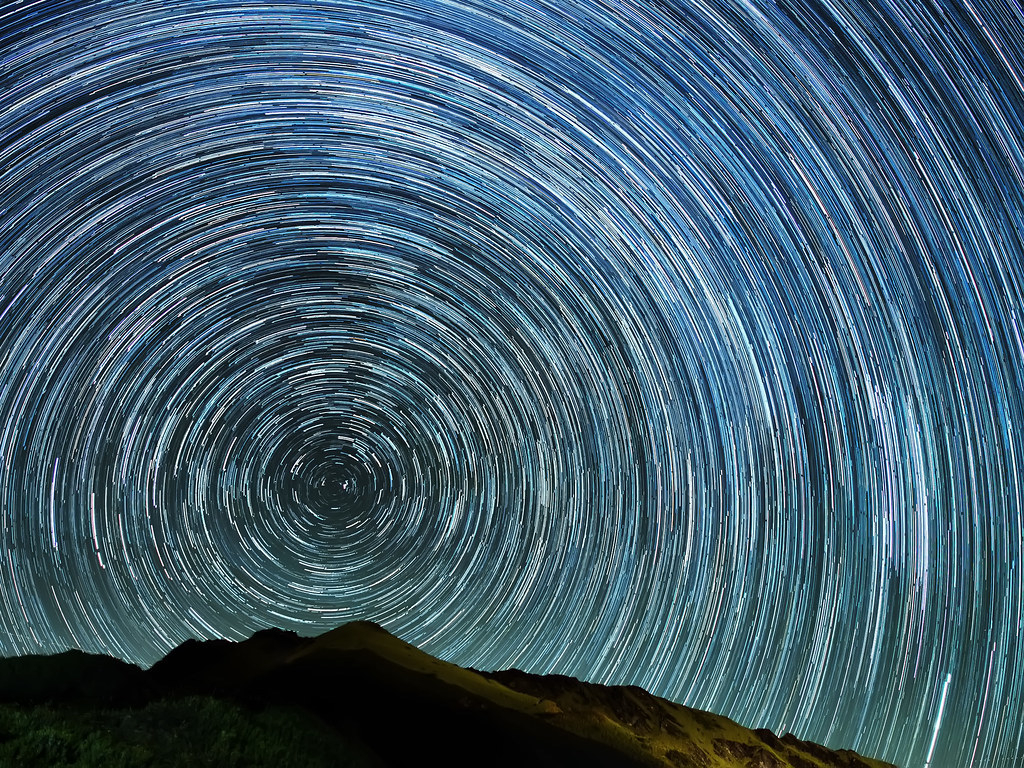
When a poet known for restrained, delicate verse writes with grandeur and abandon, the result is a work as sweeping and ethereal as this one. “The River of Stars begins to turn, and a thousand sails dance”: just as the Sun and Moon rise in the east and set in the west, the stars appear to wheel across the sky as Earth rotates. Astronomers call this diurnal apparent motion. The magnificent star trails captured by astrophotographers are among its clearest expressions.
The Tang poet Li Shangyin wrote of the same phenomenon:
Candlelight flickers across a screen as the Milky Way sets and the morning star fades. Chang’e stole the elixir of immortality, only to spend night after night alone beneath the endless blue sky. This poem, too, evokes diurnal apparent motion. Its “morning star” may be Venus, known in ancient China as Qiming when it appeared before sunrise. Venus is the planet that comes closest to Earth on average, and it is the brightest planet in the night sky. Another of its ancient names appears in this line:
The line comes from the first of Su Shi’s “Seven Poems in Response to Tao’s The Poor Scholar.” It pictures Venus beside a waning Moon after sunset. The ancients called Venus Taibai. Because it is an inferior planet, we can see it only before sunrise or after sunset. Rising with the dawn, it was Qiming; setting with the twilight, it was Changeng. The other planets visible to the naked eye also had ancient Chinese names: Mercury was Chenxing, Mars Yinghuo, Jupiter Suixing, and Saturn Zhenxing.
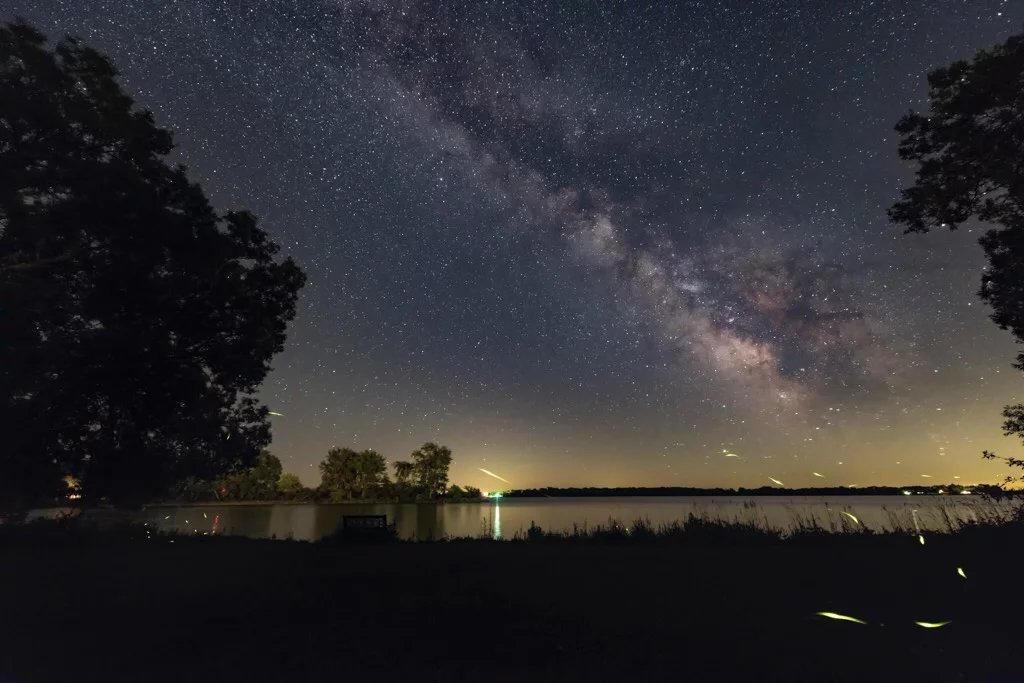
A cool autumn night, clear as water: fireflies and stars make a delicate evening scene. Altair, known in Chinese astronomy as Hegu II, lies in the constellation Aquila. Vega, or Zhinü I, is the brightest star in Lyra. Together with Deneb in Cygnus, they form the Summer Triangle, gracing the nights of summer and early autumn alongside the brilliant Milky Way that runs through it.
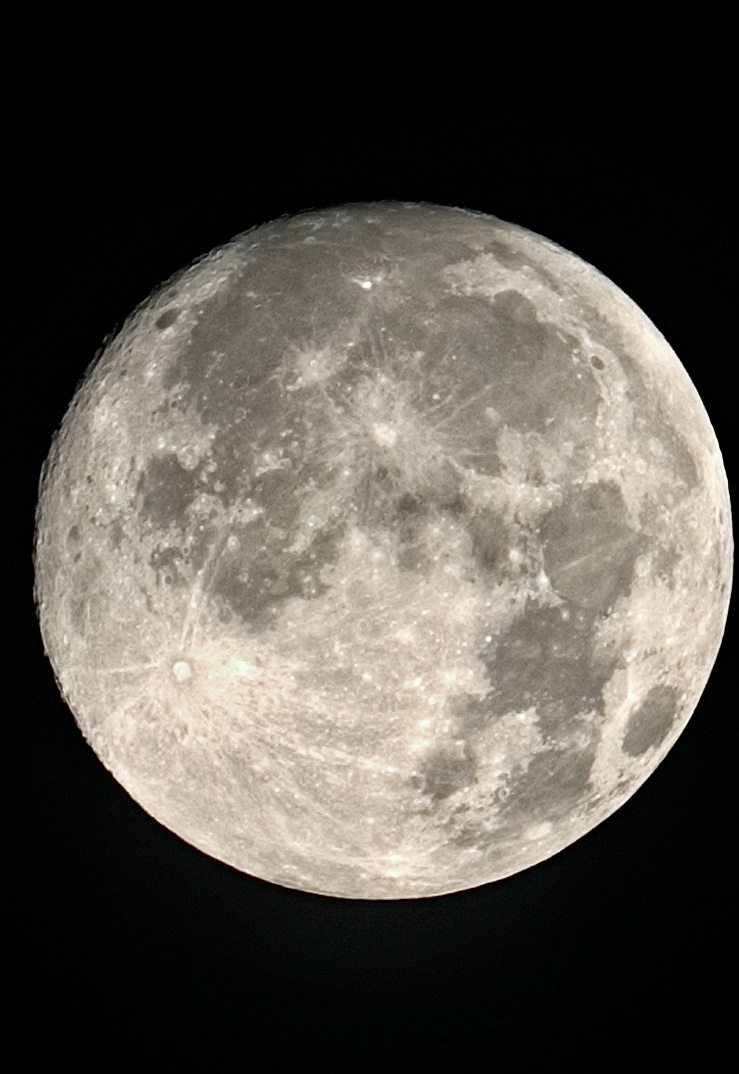
After taking in the vast starry sky, let us turn to the center of attention each Mid-Autumn Festival: the Moon. In the universally known “Prelude to Water Melody,” Su Shi reflects on life’s uncertainties and uses the Moon to express his sorrow at parting:
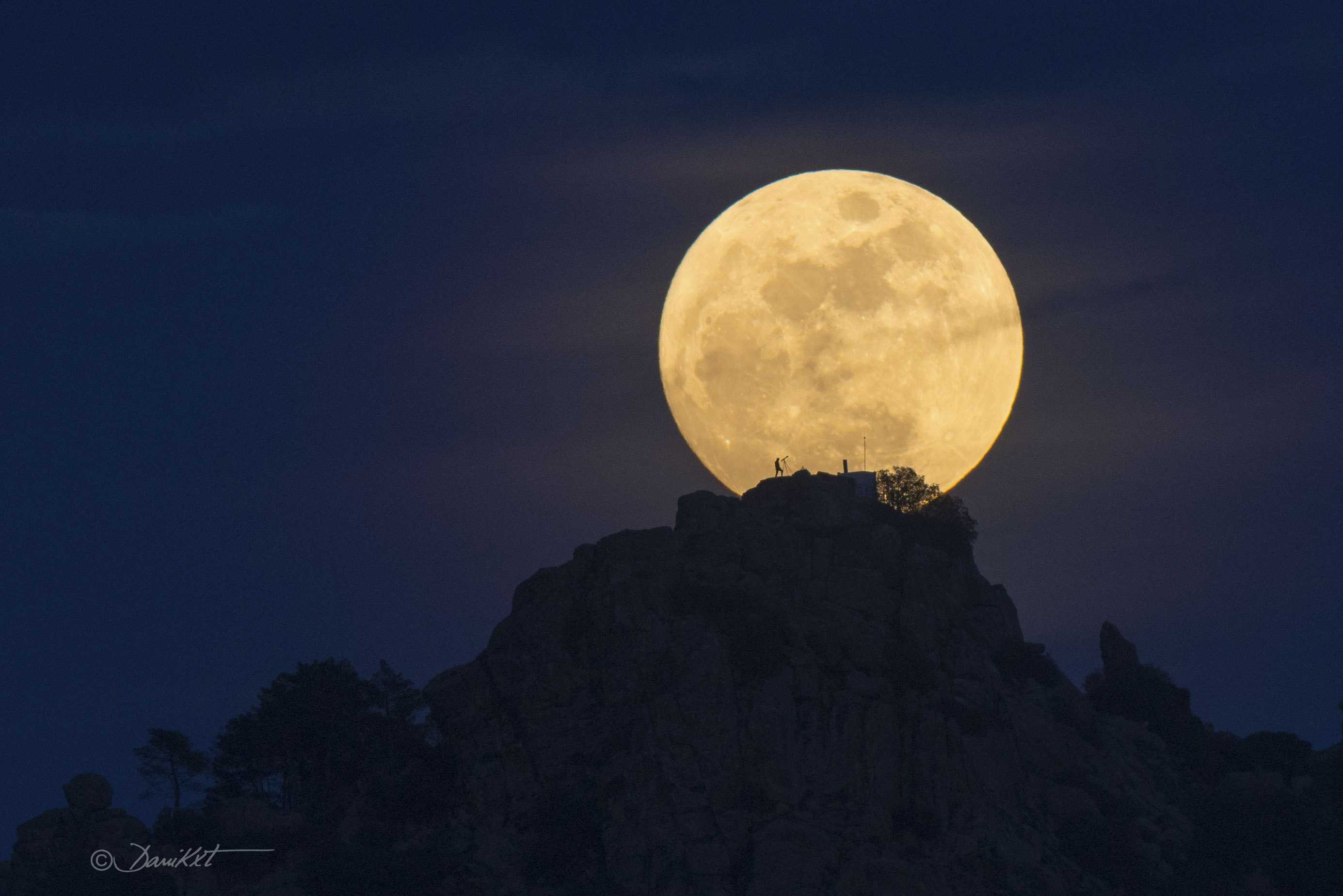
Human life, like the Moon in its waxing and waning, is never perfect. The lunar phases are closely tied to the traditional Chinese calendar. A cycle begins with the new Moon, shuo, on the first day of the lunar month. It passes through first quarter to the full Moon, wang, on the fifteenth day, then through last quarter and back to shuo. This 29.5-day cycle is called a synodic month. Mid-Autumn is not the only traditional Chinese festival suited to moon-watching. Another appears in the following five-character regulated verse:
On Lantern Festival night, the lanterns shine like day, and the Moon bears witness to a lovers’ meeting. Yet generations pass without end while the Moon above the river looks much the same from year to year. The jade disc remains, but the person who once admired it is gone; after all, “nothing has ever been perfect.” Even so, “may we both live long,”
 爱发电(点击图片跳转)