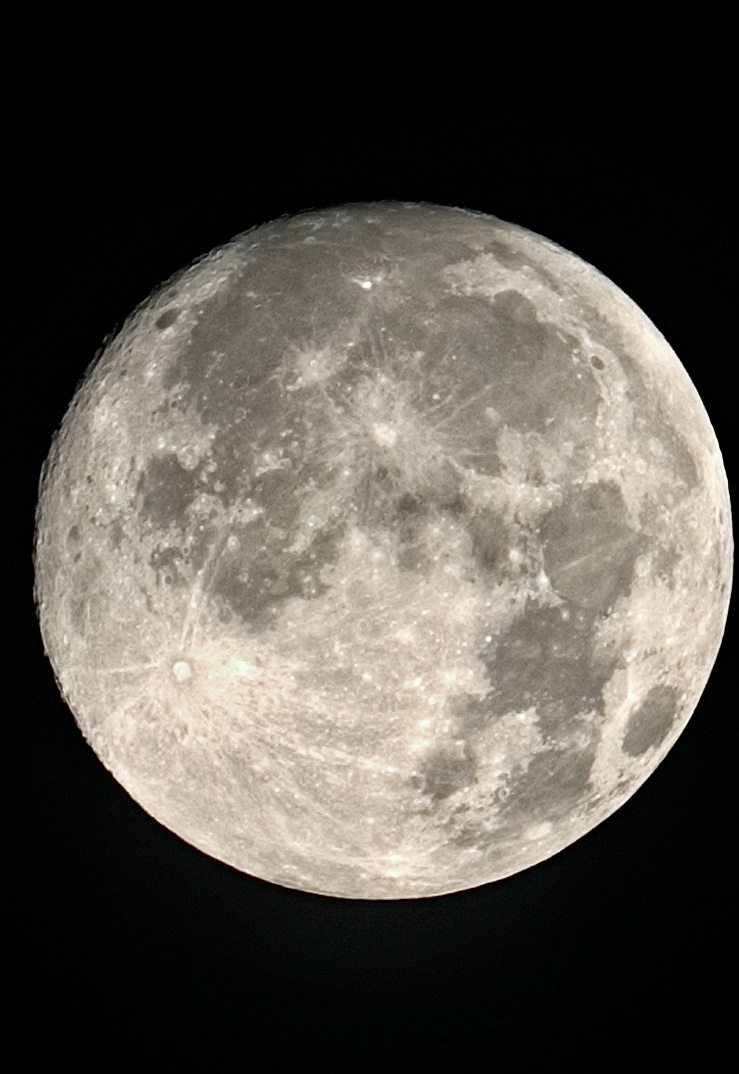
The Wandering Earth: A Brief Film Review
Author: 观复·钧天
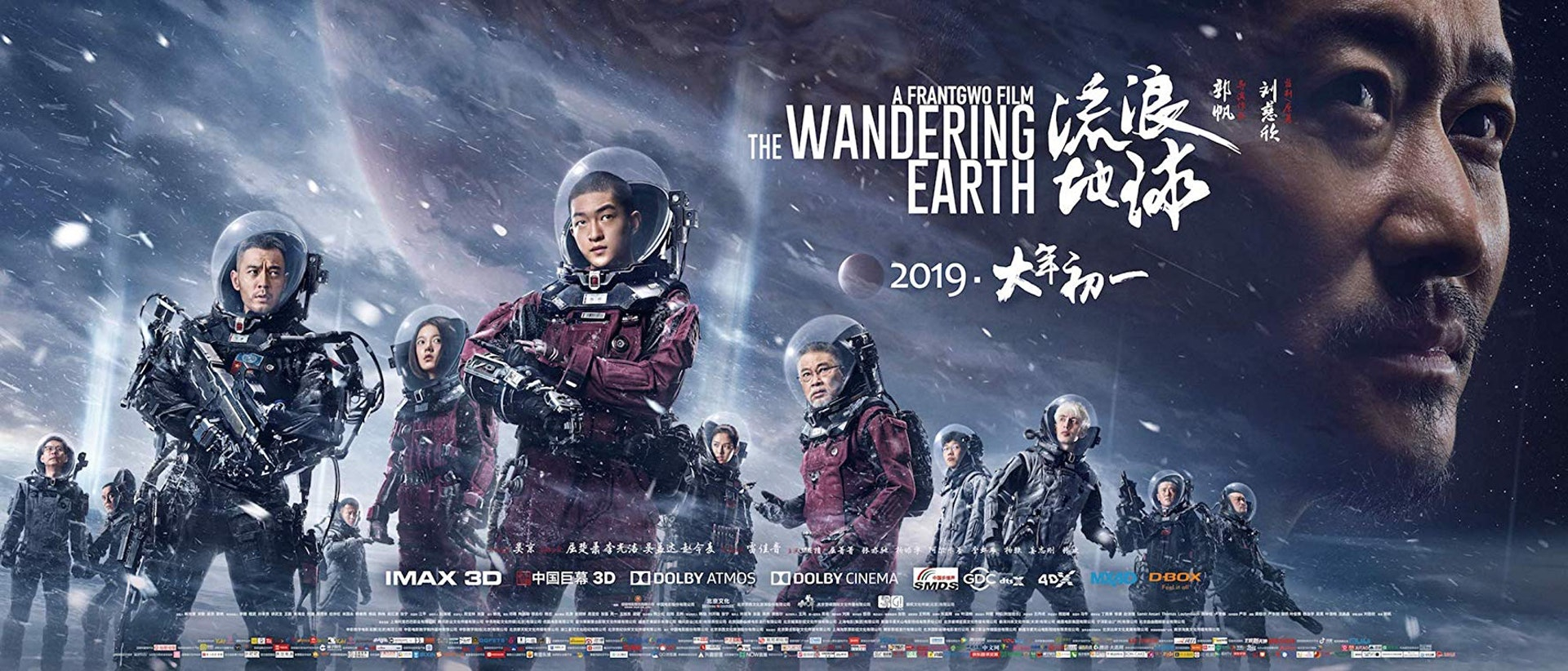
I usually prefer peace and quiet, so even sitting in a theater for a pulse-pounding science-fiction movie is a rare experience for me. Big-budget science fiction has long seemed to belong to Hollywood, and saving Earth is one of the genre’s familiar themes. I never expected China’s first homegrown science-fiction blockbuster to be this good: its logic holds up, and the story feels reasonably complete. Much of the credit must go first to the excellent framework provided by Liu Cixin’s novel.
Once humanity begins to see itself as the master of this planet, one problem follows another. People killing one another is only the most immediate. Species extinction and humanity’s domination of the biosphere run deeper. Only when the planet we depend on can no longer support us do we realize that all our previous efforts have come to nothing. Philosophically, saving Earth means saving humanity itself—if humanity still has a soul.
That is where the story begins. Earth breaks free of the solar system and begins to wander. “Wandering” is an extraordinarily vivid word here, at once helpless and terrifying. A makeshift team joins the effort to save the planet. During a rescue mission that seems nearly hopeless, its members must defy human institutions and even “the law” before finally pulling Earth back from the brink of destruction. It is a beautiful ideal, revealing both the compassion and the resolve of the author and the filmmakers.
Traditional Chinese systems of knowledge did not include the methodology of experimental science in the modern sense; the modern natural sciences were introduced largely from the West. Today, nine years of compulsory education may place mathematics, physics, and chemistry near the center of the curriculum, but learning science and developing a scientific outlook are very different things. A gulf remains between reason and emotion.
Long before our ancestors understood science, imagination gave us the myths of the Classic of Mountains and Seas: Nüwa mending the sky, Kuafu chasing the sun, and Jingwei filling the sea. Myth explains nature’s unknown origins; science fiction opens a door onto future civilizations. These stories are still told with delight in China today. Yet myth cannot simply evolve into modern science fiction, because science fiction must be grounded in scientific knowledge and logic.
As an important starting point for industrial-scale Chinese science-fiction cinema, The Wandering Earth is far more accomplished than expected. Many of its shots can stand beside those in Hollywood blockbusters, the plot moves briskly, and the relationships among the characters are clear. Its main weakness is the lack of emotional connection between those characters. Confrontation outweighs communication, and calculation outweighs human warmth: there is blood but too little flesh, emotion but too little intimacy, despite a few genuinely moving scenes. The film avoids narrow-mindedness, but its tense passages could use more humor. The more intense a scene becomes, the more it can benefit from a measured touch of comedy—provided the jokes are actually funny.
China was a latecomer to space exploration and to science-fiction publishing and filmmaking, but that has changed dramatically in recent years. This film has been described as the beginning of a new era in Chinese cinema, one entry in a series of ambitious and expensive productions. Before The Wandering Earth, a project of this kind was beyond the technical and financial reach of most Chinese filmmakers. It was a test of the industry itself.
Saving Earth is an ideal. To my mind, the greatest difference between an ideal and a goal is whether it can be readily achieved. From that perspective, saving the planet is humanity’s greatest ideal precisely because it is so difficult—and because we are still willing to try.
 爱发电(点击图片跳转)