
Culture and Consumer Society, Part 1: I'll Take the Milk Tea and the Sneakers
Culture and Consumer Society, Part 1: I’ll Take the Milk Tea and the Sneakers
Author: 涛声
Reviewer: 观复·钧天
A few days ago, Taotao's WeChat Moments and Qzone feeds were flooded with posts about “the first cup of milk tea in autumn”:

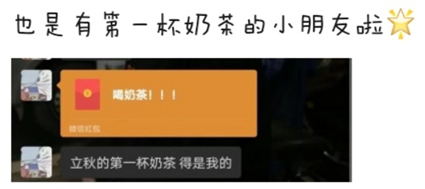
Fine. Taotao wasn't jealous at all. Not one bit. QAQ. One post did catch his attention, though:

Interesting.jpg. After mulling it over, Taotao realized that “Is the ‘first cup of milk tea in autumn’ a capitalist scam?” was not such an easy question to answer. But the question does point to something important: our purchases are shaped not only by our empty wallets and less-than-careful budgeting, but also by culture and ideas.
Examples are everywhere in a consumer society. Whether we buy sneakers, anime merchandise, the first milk tea of autumn, video-game skins, clothes, or travel souvenirs, the cultural side of consumption is hard to miss. Why do we buy these things, and what effects does that have? Come along with Taotao as we take a closer look at culture and consumer society.
Stop ①: I’ll take the milk tea and the sneakers
Part A: Why do young people love eye-wateringly expensive sneakers?
Whatever else keeps us busy in life, school, or work, most of us have seen “affordable luxury” items costing thousands of yuan on social media:
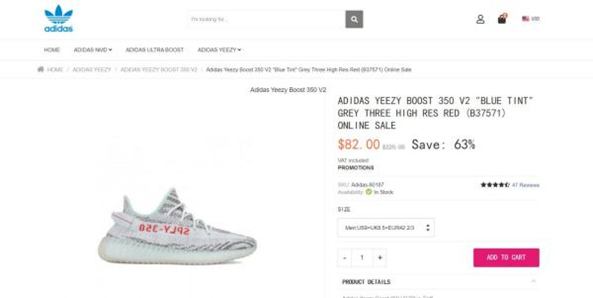
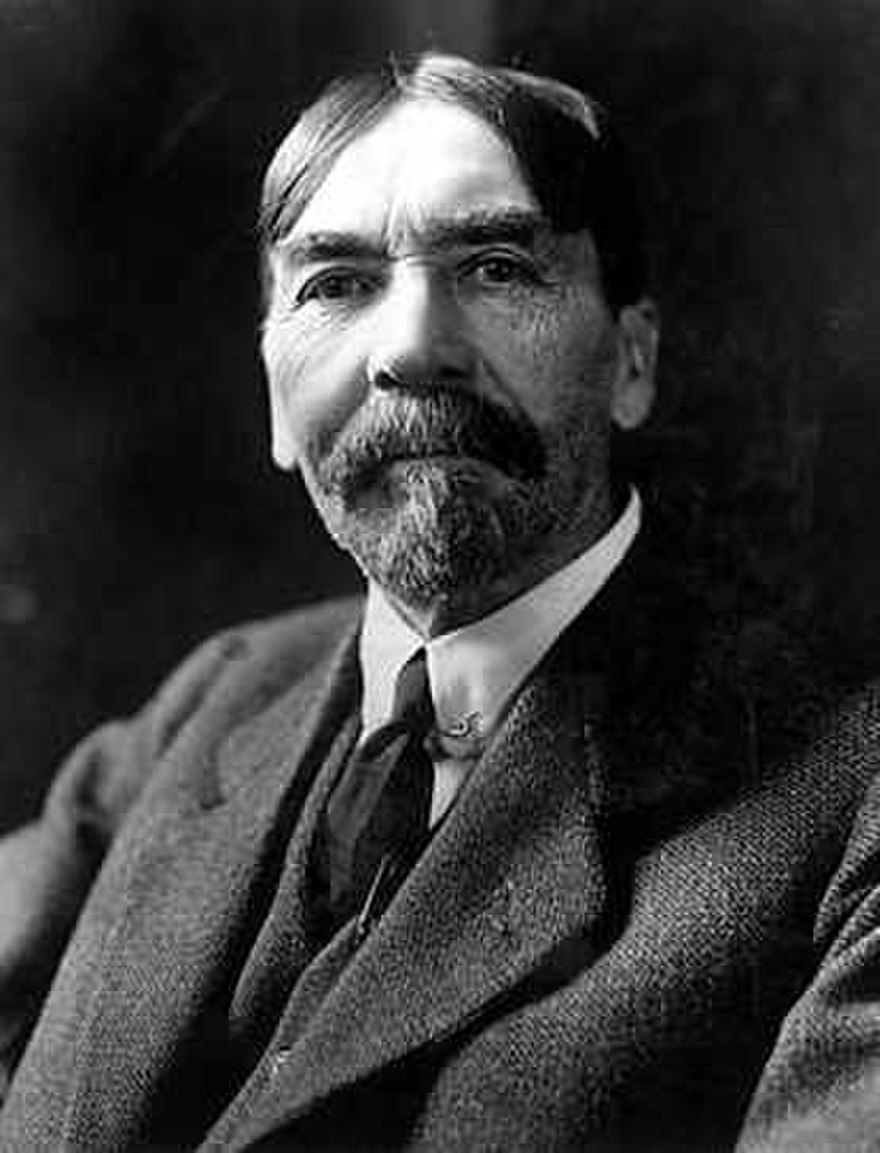
Resale hype can push a pair to three or four thousand yuan, or even more than ten thousand. Yet buyers remain enthusiastic. Besides sneaker collectors and investors, plenty of young people pick up these fashionable luxuries after seeing influencers promote them. This obviously does not include the perpetually broke Taotao. Why would people who are not especially wealthy spend so much on products that offer so little practical value? Let's hear what Mr. Veblen has to say.
Today we consume not only everyday necessities, but also symbols that set us apart from other people. Suppose you want to say, “I'm fashionable.” What might you do? You could put on the YEEZYs above and become a Cool Guy. In this case, what the shoes signal about “fashion” matters more than what they do as shoes. If objects function as signs, then wearing trendy sneakers is another way of saying “fashion.”
Veblen was the first to focus on this kind of symbolic consumption. Its early form was conspicuous consumption: aristocrats and other members of the leisure class, who did not need to work, displayed their wealth through expensive goods and services.
In other words, early symbolic consumption was consumption for an audience. Princes and nobles used lavish clothing and extravagant pleasures to put their power and wealth on display.
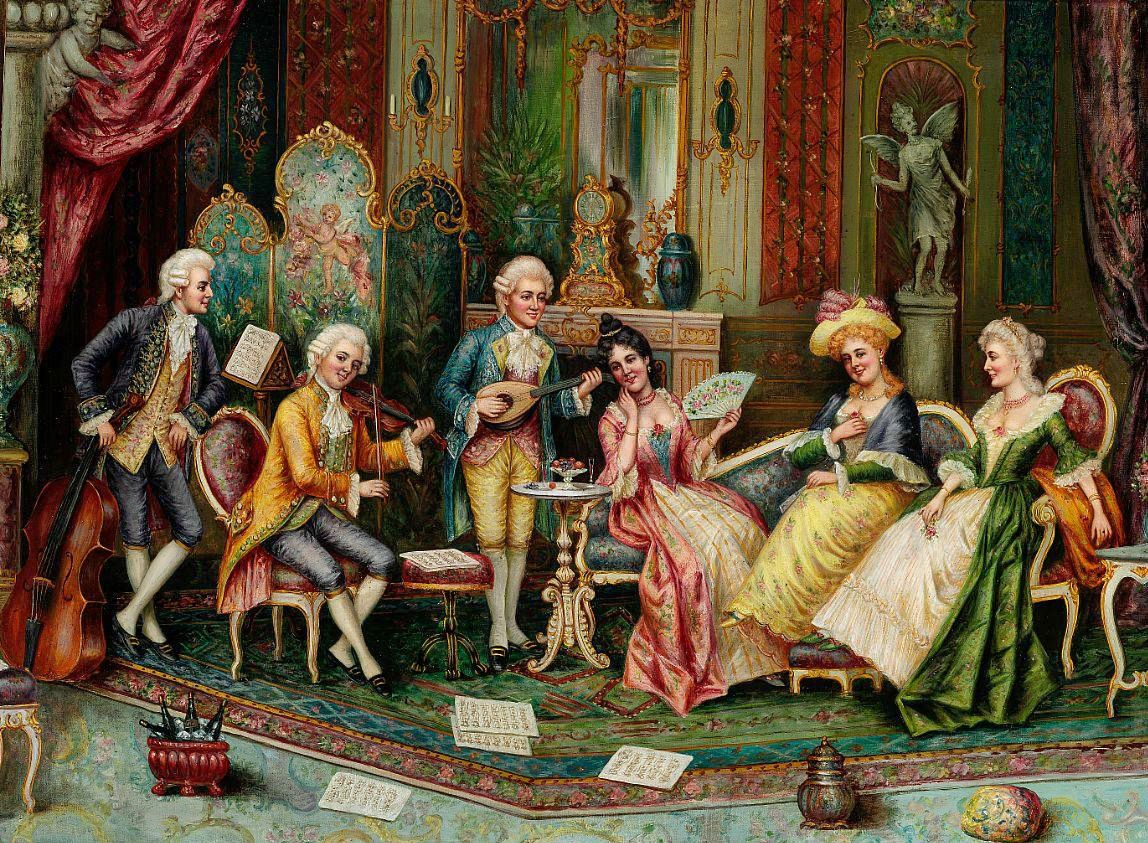
As a working stiff, Taotao is terribly jealous of friends who can eat, drink, and have fun during working hours. They seem untouched by the need to earn a living. Veblen has an explanation for this too.

The leisure class “wastes” more than money; it also practices conspicuous leisure. Veblen used this term for spending time on nonproductive pursuits. Like conspicuous consumption, conspicuous leisure signals that a person belongs to a class with time to spare.
Over time, the lower classes also took up conspicuous consumption as a way to appear respectable. After all, if looking wealthy is only a matter of spending money, perhaps Taotao can do it too. How “wonderful!” But faced with an expensive pair of designer sneakers, we may no longer know whether they cost so much because they look good, or look good because they cost so much.
As industrial society developed, then, conspicuous consumption became a way for lower-class consumers to maintain respectability. Consumption for display was no longer the exclusive lifestyle of the leisure class.
Part B: You love me, I love you, autumn milk tea is sweet as can be
As you saw at the beginning, perhaps your feed was also flooded with “the first cup of milk tea in autumn.” Taotao had bought milk tea just the day before the Start of Autumn, yet he still wanted another cup with the special status of being autumn's first. Just thinking about it made his mouth water. Mr. Baudrillard, please unmute and join the conversation.

Baudrillard argued that everyday goods do not stop selling simply because everyone already has them. In a consumer society, people buy the signs, or messages, that distinguish them from others rather than merely buying a product's practical function. This is symbolic consumption, and it turns consumption into an expression of personality and taste.
When incomes were lower, for example, people were more likely to choose luggage for durability and ease of use. With greater prosperity, they began to care more about rarity, character, and design, and to favor brand names. The two suitcases serve the same practical purpose. Add the sign of a brand, however, and the product becomes more valuable.
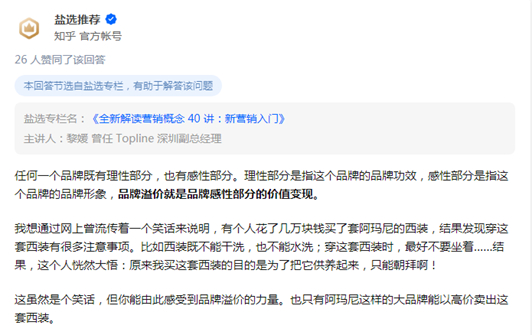
The point is that wearing or owning an object may matter less for its use value than for what it signifies. People consume not just the product's function, but the sign attached to it.
In today's highly developed consumer society, new products constantly introduce new signs and new ways to differ from other signs, or products. Because consumers keep chasing those differences, consumption never ends. This is the principle of differentiation. Desire is no longer simply an expression of individual agency; it is also driven by the system of signs.
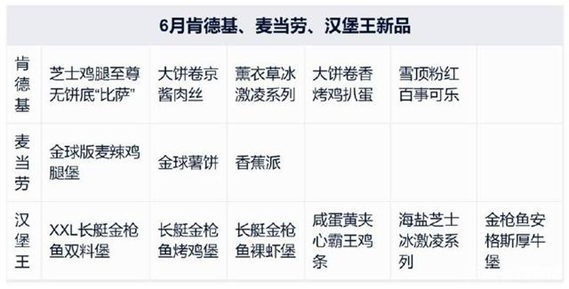
Consumer society keeps desire alive by constantly creating signs of difference. That is the principle of differentiation. The smallest distinctions can make us eager to pay for annual limited editions or seasonal releases. Desire, in this account, is driven by a system of differences rather than by the individual alone. Put simply, you may buy a product not because you need it, but because an almost negligible symbolic difference makes you want it.
Symbolic consumption should not be confused with conspicuous consumption. The former seeks distinction from other people; the latter seeks respectability.
These signs of difference now extend far beyond fashion labels. They include “serial number,” “environmentally friendly,” “as worn by a celebrity,” “classic,” “members only,” and “brand story.” The list is almost endless. It includes, of course, “the first cup of milk tea in autumn.”
That concludes our first stop. Taotao, after some reflection, has resolved to think twice before buying anything from now on. What did the article leave you thinking about? Our train is about to depart again. See you at Stop ②!
All articles in this blog are licensed under CC BY-NC-SA 4.0 unless stating additionally.
 爱发电(点击图片跳转)