
Underwater Archaeologists Uncover Surprising Artifacts from a Roman Naval Battle
Author: A Millisecond of Eternity
The Naval Battle
Archaeologists have explored the site of a naval battle fought between Rome and Carthage 2,200 years ago. Their discoveries offer clues to how the battle unfolded, along with several mysteries that remain unsolved.
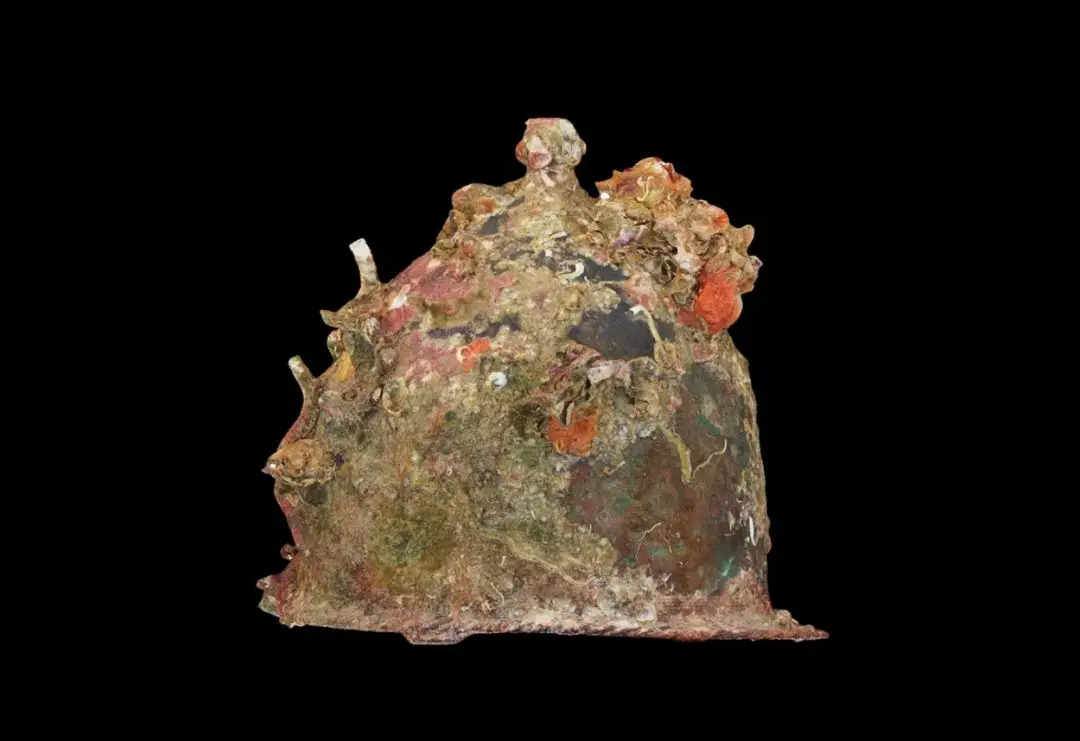
The finds suggest that Carthage reused captured Roman warships in the battle. They also indicate that Carthaginian sailors may have thrown their cargo overboard in a desperate attempt to escape Roman pursuit.
Historical records place the naval battle on March 10, 241 BCE, near the Aegadian Islands off Sicily in the Mediterranean. A Carthaginian fleet was trying to deliver supplies to Carthaginian forces on Sicily when the Roman navy intercepted it and destroyed most of its ships. Rome won a decisive victory, forcing Carthage to seek peace and accept terms favorable to Rome.
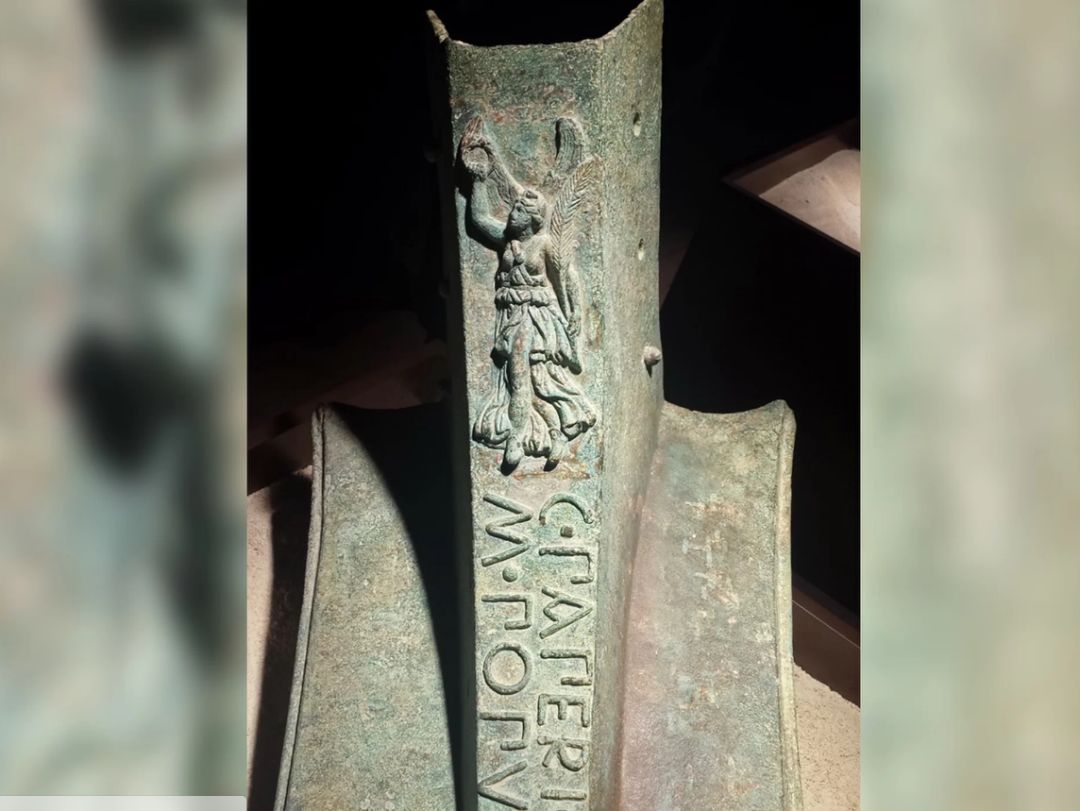
Over the past decade, underwater archaeologists have surveyed the battlefield and recovered bronze rams, metal helmets, and fragments of ceramic vessels. The final field season of 2018 alone yielded six bronze rams, several helmets, and pieces of pottery.
Carthaginian and Roman Ships in Combat
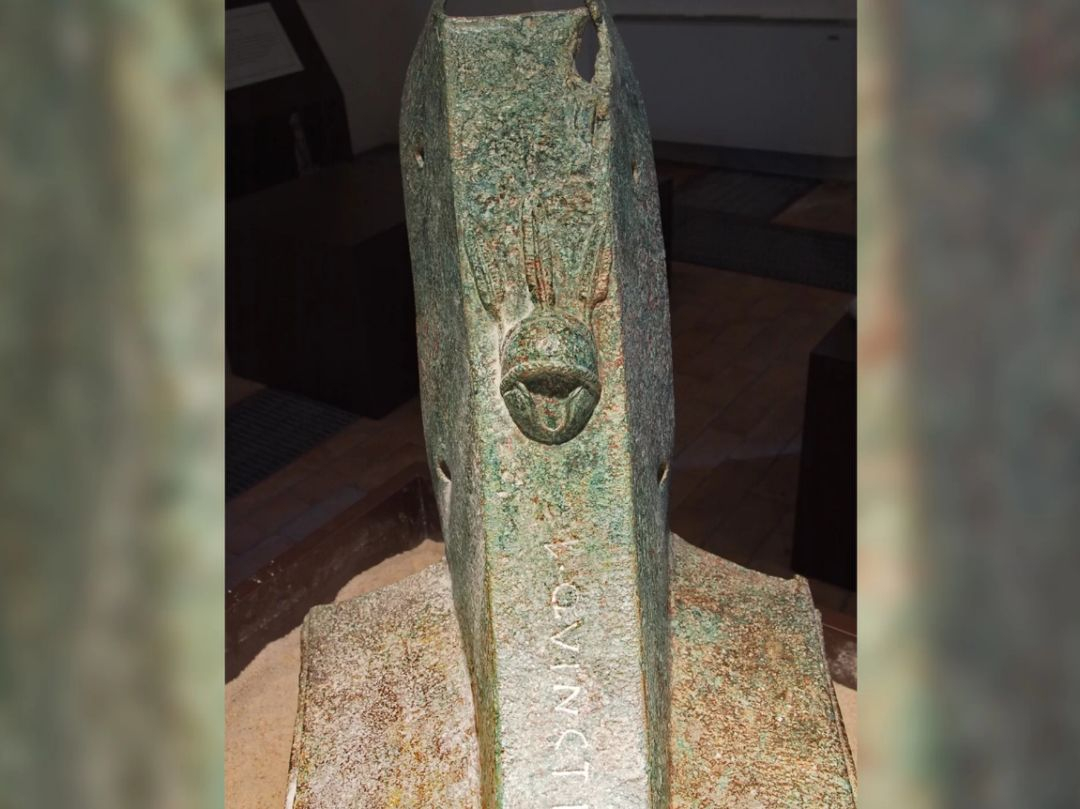
Carthage appears to have entered the battle with a fleet that included captured Roman ships rather than confronting Rome with an entirely Carthaginian force. “Of the 19 bronze rams already found in this area, I believe 11 are Roman,” said team member William Murray, a professor of Greek history at the University of South Florida. Many of the helmets found at the site also belong to a design archaeologists call the Montefortino type. This helmet was so popular in Rome that the Romans decorated some bronze rams with its image.
The large number of Roman rams and Montefortino-style helmets has left archaeologists with a puzzle. “You would expect the Carthaginians, who lost the battle, to have suffered heavy casualties,” Murray said. “But you might also expect some of the bronze rams to have come from warships crewed by Carthaginians.”
“Carthage probably used ships that it had captured from the Romans in an earlier naval battle,” Murray said. Historical records show that Carthage captured 93 Roman ships in a battle several years before the Battle of the Aegadian Islands. The abundance of Montefortino helmets remains harder to explain. “One explanation is that the Carthaginians hired mercenaries from Gaul and Iberia to crew many of the ships in their fleet, and soldiers from those regions sometimes used Montefortino helmets,” Murray said.
Did the Sailors Throw Their Cargo into the Sea?
The archaeologists also found amphorae, oval ceramic jars with two handles that were often used to store liquids, scattered around the remains of Roman ships. Murray found this strange because jars that fell from a ship’s storage area should have landed in clusters. “It is as if they were thrown into the sea, which separated them before they sank to the seabed,” Murray said. “One possible explanation is that the Carthaginian sailors realized during the battle that their mission would fail and jettisoned their cargo—the supplies intended for Carthaginian forces in Sicily—to make their ships lighter, faster, and better able to escape the Roman fleet.”
Wasted Food?
“Besides being widely scattered, none of the amphorae has the tar-like lining that would keep liquids from evaporating during storage,” Murray said. Most of the liquid would therefore have evaporated by the time the jars reached Sicily. Even if the Carthaginian fleet had made it there, part of the cargo would have gone to waste. Amphorae could also hold grain, Murray noted, but ancient accounts of unloading ships suggest that grain was more often carried in sacks.
“Perhaps the Carthaginians were in such a hurry to supply their army that they had no time to choose suitable containers,” Murray said. “Another possibility is that they did not have many sacks available, so they decided to carry dry goods to Sicily in amphorae.” Scientists are running chemical tests to determine what the containers held.
Murray and other members of the research team presented their findings in a paper at the joint annual meeting of the Archaeological Institute of America and the Society for Classical Studies, held in San Diego from January 3 through 6.
Sicily’s Soprintendenza del Mare and the RPM Nautical Foundation jointly run the project to survey and excavate the underwater site, with scientists from several other institutions also taking part. The team plans another field expedition in 2019.
References
 爱发电(点击图片跳转)