The History of Glass and Its Future Applications
Author: Shiguang
The Development of Glass
1.1 The Origins of Glass around the World
Historical records indicate that by roughly 3000–2000 BCE, the Egyptians or Mesopotamians already possessed relatively mature glassmaking techniques. One legend relates that more than three thousand years ago, Phoenician merchants discovered crystals formed when fire caused a mineral called natron, or “natural soda” (or, in another account, saltpeter), to react chemically with the quartz sand on a beach. These crystals were the earliest glass. The Phoenicians recognized the commercial opportunity. They exploited the reaction to produce large quantities of crude glass beads by firing and fusing sand, stone, and soda, then sold them far and wide. They made substantial profits and set off the world’s first glass craze, introducing the material to many countries that traded with Phoenicia.
Phoenician faience and frit are regarded as precursors to glassware. Early glass passed through four principal stages of development: the age of ancient civilizations (ca. 3500–1000 BCE), the age of classical civilization (ca. 100 BCE–500 CE), the medieval period (ca. 500–1500), and the period from the Renaissance through the seventeenth to nineteenth centuries (1500–1890). Since then, specialty, artistic, decorative, and architectural glass has gradually come to dominate modern production.
1.2 The Origins of Glass in China
Overall, glass appeared in China later than it did elsewhere in the world.
Ancient Chinese craftspeople developed proto-porcelain around the late Shang dynasty, roughly two thousand years after Mesopotamians had begun making glass by the core-forming method. Current research places the earliest glass found within China in Xinjiang. In the debate over whether glass was independently invented in China, the most widely accepted view is that the earliest examples were luxury goods imported from Western Asia. Glass made within China probably appeared in the late Warring States period, a conclusion based on glassware excavated from late Warring States tombs in Hunan, Hubei, and elsewhere.
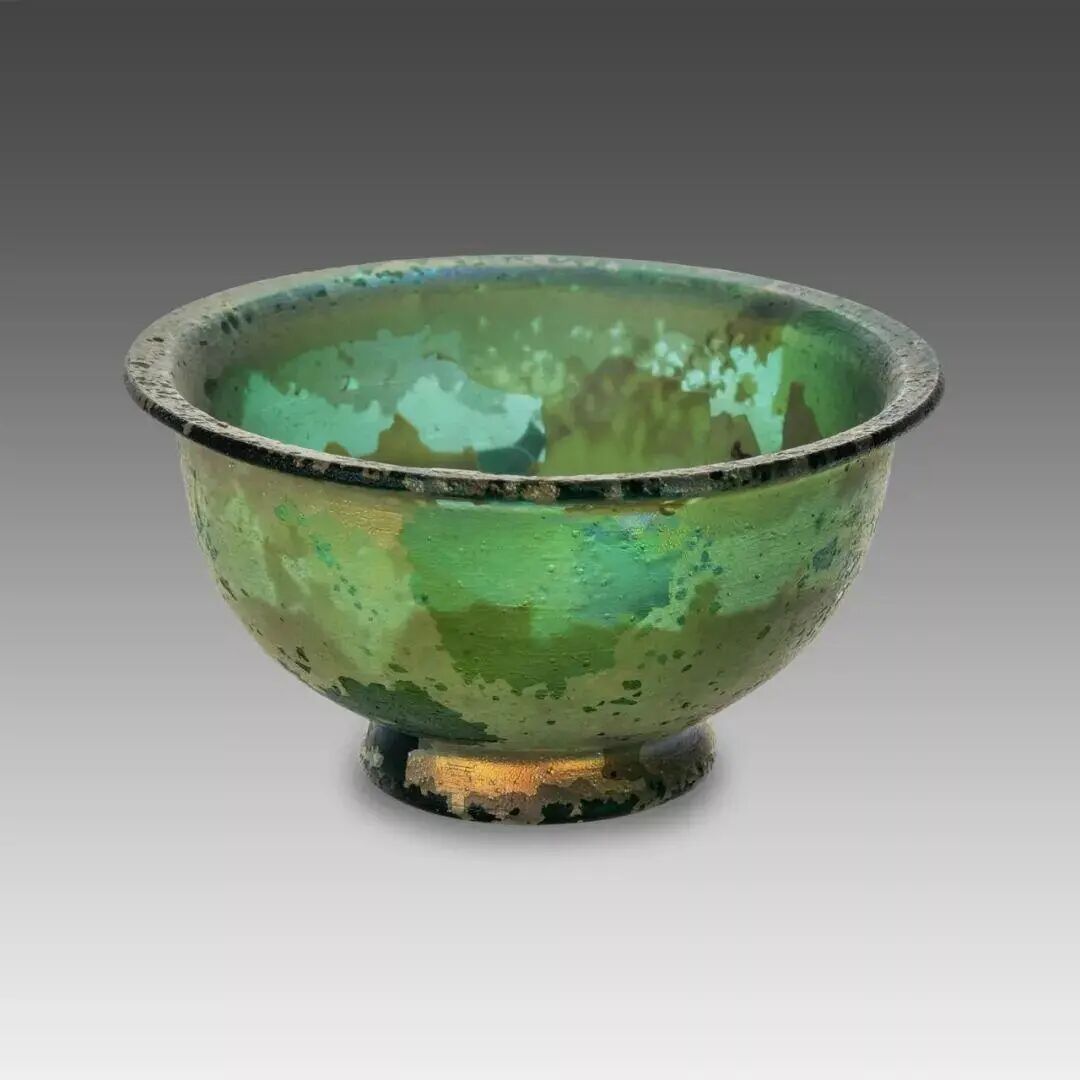
In ancient China, glass was also known as liuli. During the Han dynasty, large quantities of glassware arrived from Western Asia, and domestic production temporarily declined or began to absorb foreign elements. Chinese glassmaking revived during the Sui and Tang dynasties, when craftspeople produced many exquisite pieces of blown glass in traditional Chinese styles. In the Song dynasty, large volumes of glassware were imported from Arab countries. These exotic objects spread across China, creating a vivid scene of cultural exchange between East and West. Despite the influx of foreign glassware, ancient Chinese glass remained markedly different from glass made elsewhere. Beyond differences in style, the most important distinction was composition. Western Asian glass at the time consisted mainly of soda-lime silicates, whereas Chinese glassmakers used potassium oxide, extracted from plant ash, as a flux. This created a pronounced material difference between ancient Chinese and Western glass.
Applications of Glass
2.1 Historical Uses of Glass
Glass was first used for everyday objects such as cups, bottles, and dishes. In the Mesopotamian core-forming process, craftspeople made an earthen core, wound ribbons of molten, viscous glass around it, and finished the surface to produce a vessel. Objects made this way were generally bottle-shaped and used to hold water or food.
People initially believed that glass could only be green, a single hue that limited its possible uses. They later discovered that the green color came from traces of iron in the raw materials: compounds of divalent iron gave the glass its green tint. When manganese dioxide was added, the divalent iron became trivalent iron and appeared yellow, while tetravalent manganese was reduced to trivalent manganese and appeared purple [1]. These color changes greatly expanded the uses of glass, and colored-glass products of every kind began to appear. Once Italians mastered advanced techniques for making sheet glass, colored glass became a common decorative feature in churches, especially in Gothic architecture. Gothic churches tend to have tall, pointed forms that seem to soar upward, turning their great floor-to-ceiling windows into stages for stained glass. Sunlight entering the sacred space through multicolored panes made the atmosphere still more solemn and holy.
Glass was subsequently adopted throughout the construction industry. In 1833, the world’s first building made entirely of an iron frame and glass appeared: the greenhouse at the Jardin des Plantes in Paris. In contrast to the weight and mass of stone buildings, glass architecture offered a bright, pure quality and quickly won admirers. An even more striking example was the venue for London’s Great Exhibition of 1851, designed under Paxton’s direction and known as the Crystal Palace. It could fairly be called a temple to glass.
In China, glass was used extensively in decoration and architecture. Many excavated objects—hairpins, hair ornaments, necklaces, and bracelets—incorporate colored liuli beads, liuli being an elegant name for glass. Brightly colored and refined glazed tiles were also common on the roofs of wealthy households in ancient China. During the Qing dynasty, the arrival of Western culture spurred further innovation in glassware, including new objects such as glass snuff bottles.
2.2 Modern Applications of Glass
In the modern era, the uses of glass have grown still more diverse. Modern glass can be divided broadly into flat glass and specialty glass. Flat glass falls into three main categories: vertically drawn sheet glass (made by slotted or slotless processes), horizontally drawn sheet glass, and float glass. These materials have applications in construction and interior finishing, the automotive industry, the arts, and even the military. By composition, glass can be classified as fused silica, high-silica glass, lead silicate glass, soda-lime glass, aluminosilicate glass, borosilicate glass, potash glass, and so forth. Each has its own uses. Soda-lime glass, for example, is used to make flat glass, glassware, and light bulbs. Because lead silicate glass readily wets metals, it is used for components such as vacuum-tube stems; its lead content also blocks radiation, making it useful for radiation shielding. Borosilicate glass, with its high strength and resistance to corrosion, is the preferred material for laboratory glassware.
The Future of Glass
3.1 Prospects for Art and Decorative Glass
Art glass and decorative glass form one major field of contemporary application. Glass is no longer confined to strictly practical uses, and increasingly refined objects are being made. As glass studios have proliferated, they have produced glass candlesticks, ornaments, figurines, and even large colored-glass statues. Art glass can be found in objects as large as cars, buildings, and garden sculptures, and as small as watch faces, eyeglass frames, and mobile phones. Glass rhinestones can also replace costly diamonds. Most of the “diamonds” on small pieces of jewelry today are colored rhinestones made from glass.
Looking ahead to the development of art glass, I offer four suggestions:
Art and decorative glass should emphasize inspiration and creativity, pursuing one-of-a-kind designs that provide a visual feast.
The raw-material mix should be optimized and costs reduced to expand output.
Industry standards should be established so that art glass is designed and produced more consistently and problems such as raw-material contamination can be avoided.
Advanced technology should be integrated into the manufacturing processes for art and decorative glass to improve glassmaking and support the industry’s development.
To keep pace with the times, art and decorative glass must become multifunctional and composite. Decorative glass that combines solar cells with a colored-glass curtain wall, for example, can harness solar energy, serve as a non-load-bearing wall, and add visual interest, achieving several goals at once.
3.2 Specialty Glass
Specialty glass is widely used in instrumentation, the military, medicine, electronics, chemistry, construction, and other fields, with each type offering distinct properties. Examples include tempered glass (high strength, difficult to break, and unlikely to form sharp, injurious fragments even when it does break); patterned glass (opaque and often used where privacy is needed, such as restrooms); wired glass (common in construction and resistant to breaking under impact); insulating glass (good acoustic insulation); and bullet-resistant glass (a high-strength glass that can stop bullets and protect occupants).
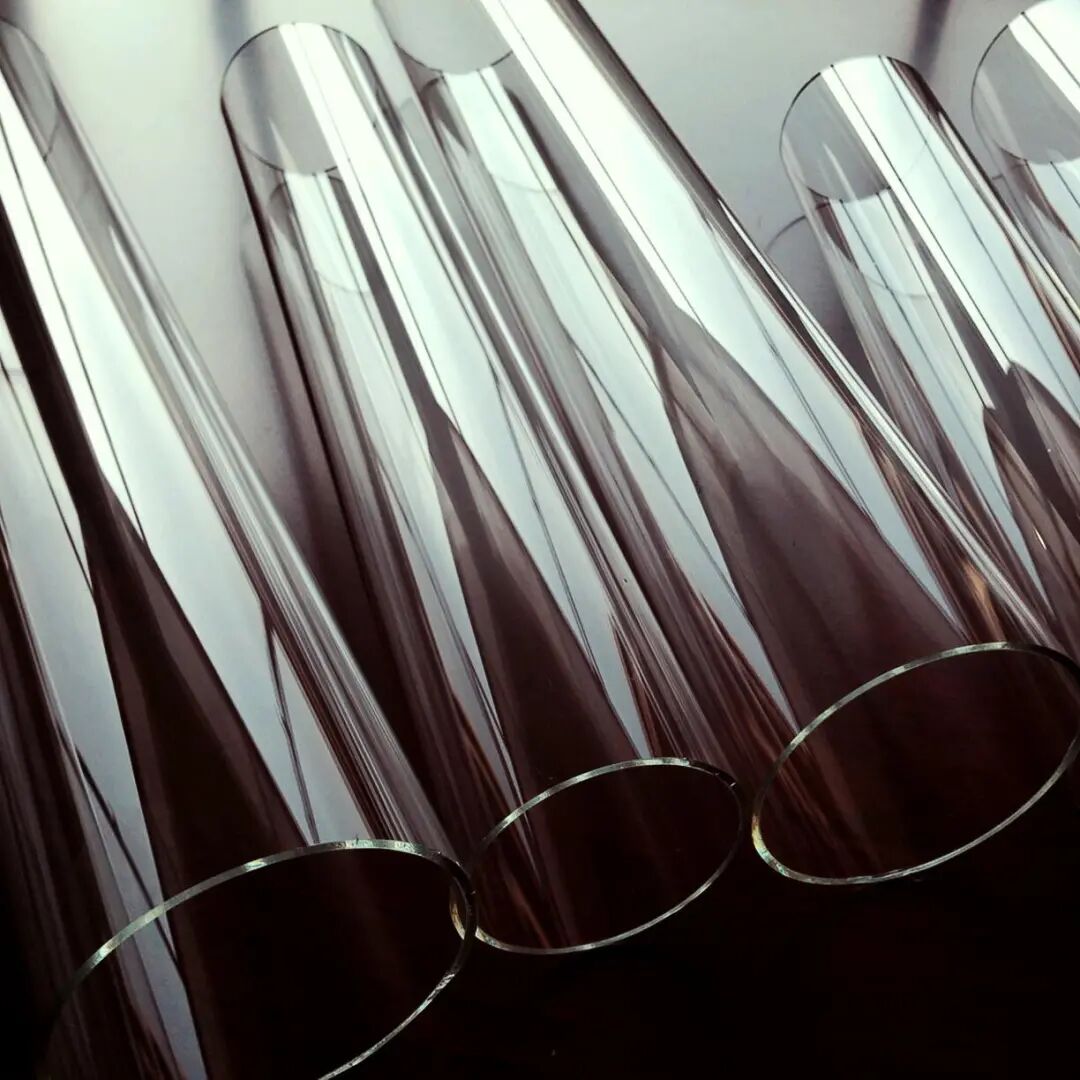
New types of glass formed by adding different chemical substances also have broad prospects. Alongside the high-silica, lead silicate, soda-lime, aluminosilicate, borosilicate, and potash glasses mentioned above, iron-based metallic glass is attracting particular attention. It is an amorphous material composed mainly of metals and lacks the planar, dislocation, and point defects found in crystals. Its properties include high elasticity and strength, corrosion and impact resistance, and tolerance of both heat and cold, giving it considerable potential in oil and gas development.
 爱发电(点击图片跳转)