Behind Smart Dragon-1's Successful Maiden Flight: Eighteen Months of Relentless Work
Author: Millisecond
Reviewed by: Dongda
Liftoff
At 12:11 p.m. on August 17, 2019, the Smart Dragon-1 (SD-1) carrier rocket lifted off successfully from the Jiuquan Satellite Launch Center, placing three satellites into their planned orbits in a “one rocket, three satellites” mission. This was China’s first commercial space launch conducted entirely under a commercial model, and its success opened a new chapter in the country’s commercial space sector.
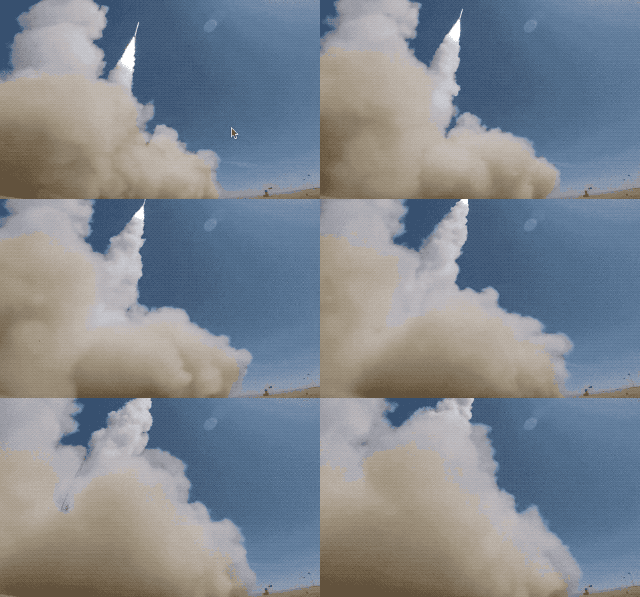
Recent developments show that China’s commercial space sector is beginning to take off. One month before Smart Dragon-1’s maiden flight, iSpace became the first private Chinese company to place a satellite into its planned orbit. Just a week before the Smart Dragon launch, another Chinese company, LinkSpace, conducted a test flight and successfully recovered its rocket.
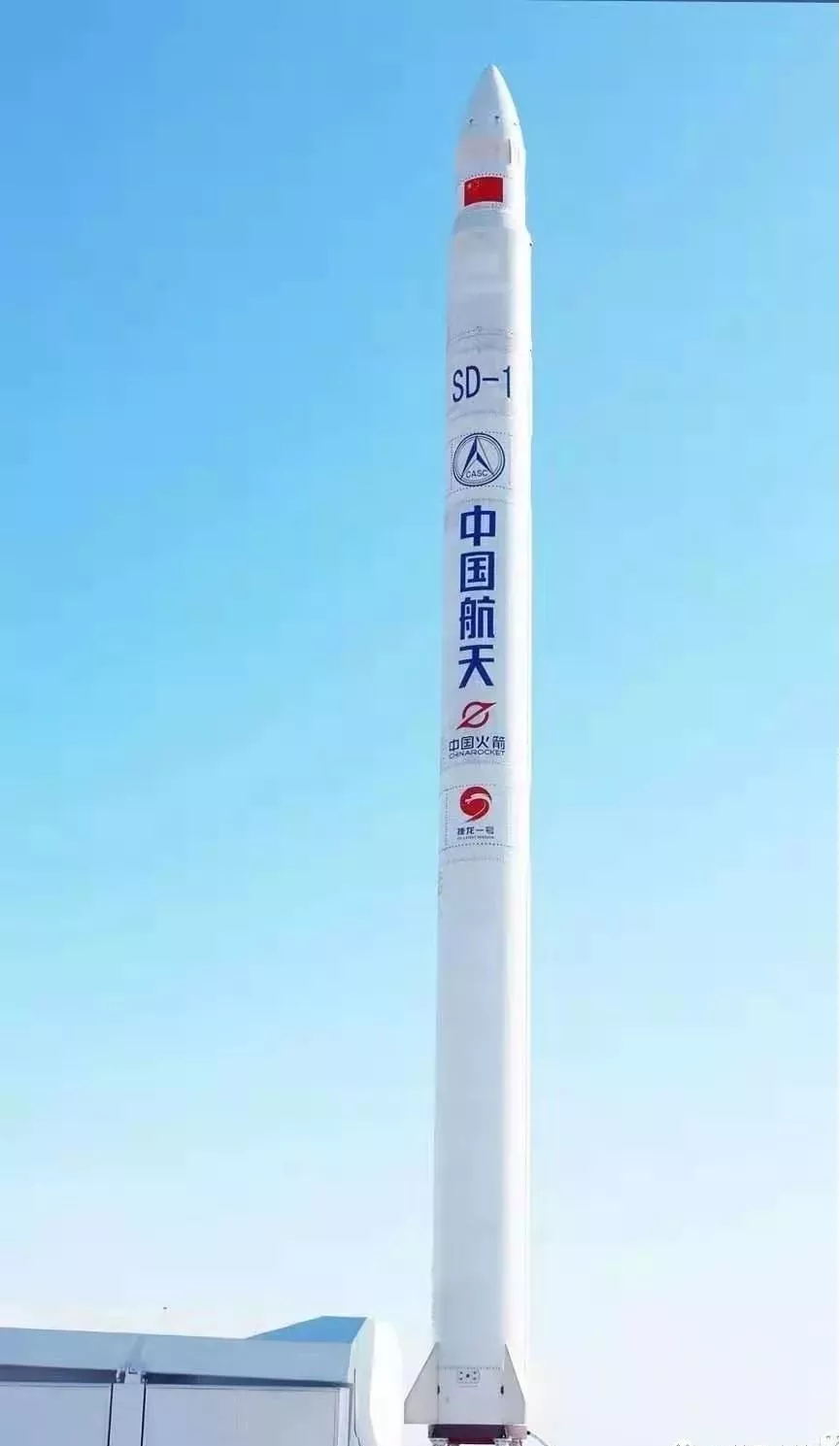
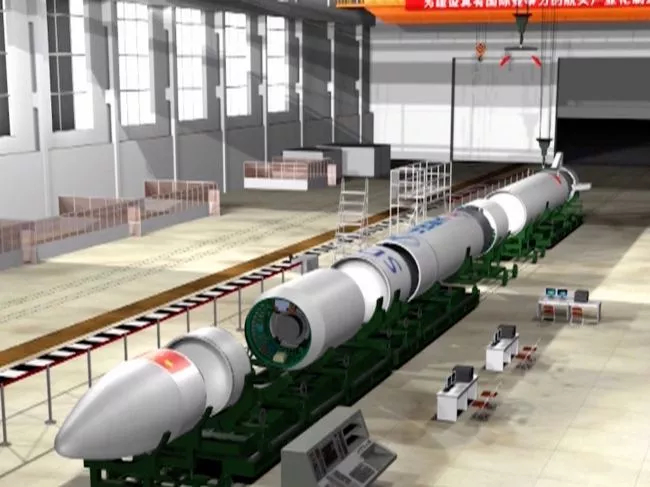
Smart Dragon-1 consists of four solid-propellant stages arranged in series. The rocket is 19.5 meters long and 1.2 meters in diameter, with a liftoff mass of roughly 23.1 tonnes. It is China’s smallest and lightest solid-fueled rocket. Tang Yagang, president of China Long March Rocket Co., Ltd., said Smart Dragon-1 can carry 150 kilograms into a Sun-synchronous orbit 700 kilometers above Earth. A single launch costs no more than 25 million yuan, allowing the rocket to meet customers’ needs for either “one rocket, one satellite” or “one rocket, multiple satellites” missions.
China Rocket is not an entirely private institution. It is a subsidiary of the China Academy of Launch Vehicle Technology (CALT), which is itself part of the state-owned China Aerospace Science and Technology Corporation (CASC). CASC is China’s principal aerospace contractor and, over the years, has built rocket families such as Shenzhou and Long March.
According to Xinhua, the company developed Smart Dragon-1 in less than eighteen months. If all goes well, this launch will lay the groundwork for more missions in the future. Smart Dragon-1 is scheduled to launch four more times before the end of 2020.
Xinhua reported that the mission carried three satellites. The primary payload, Qiansheng-1 01, was developed by Beijing Qiansheng Exploration Technology Co., Ltd. The two rideshare payloads, Xingshidai-5 and Tianqi-2, were developed by Beijing Smart Satellite Technology Co., Ltd. and Beijing Guodian Gaoke Technology Co., Ltd., respectively. Once in orbit, the satellites will carry out a series of technology demonstrations and provide data services.
References
 爱发电(点击图片跳转)